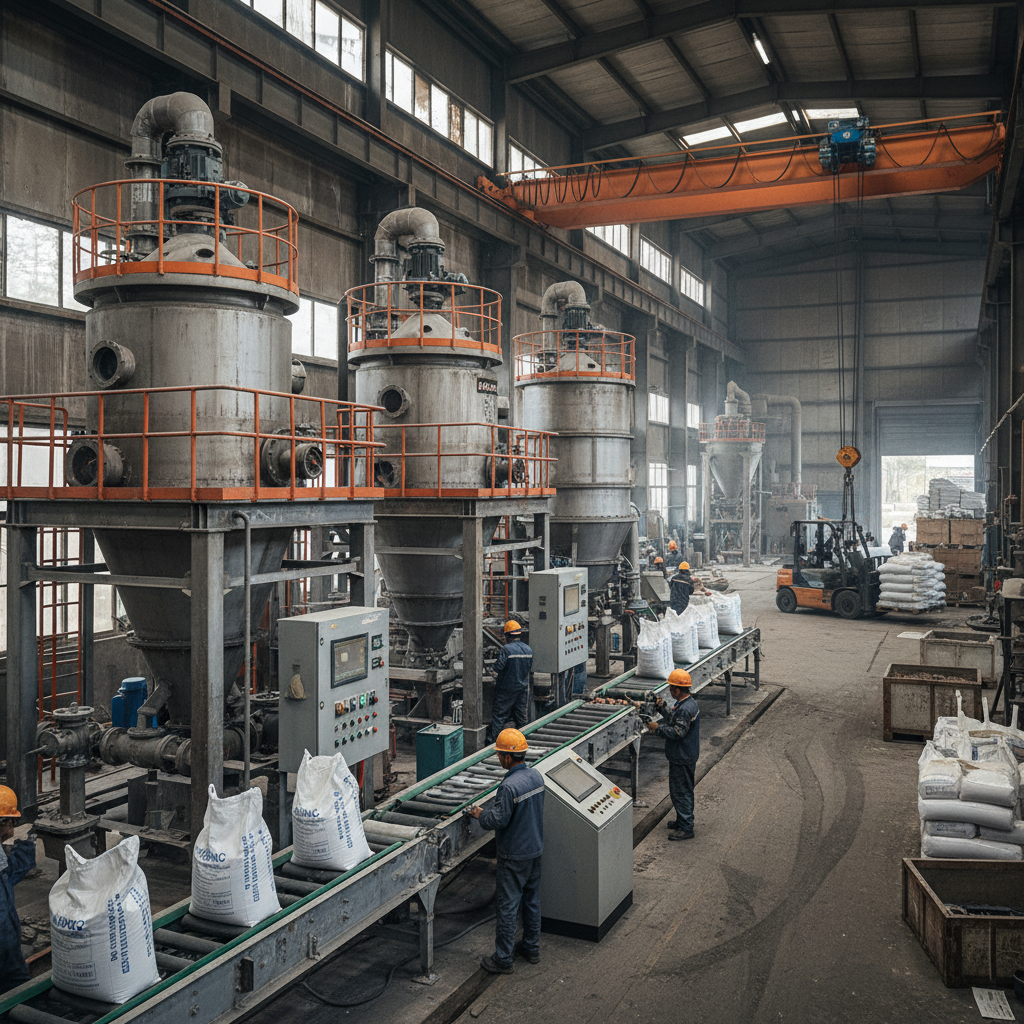
Look, I’ve spent the last fifteen years breathing concrete dust and arguing with subs on job sites. I’ve seen materials fail, deadlines slip, and budgets explode. That’s why I’m telling you, understanding hpmc cellulos is no longer a nice-to-have, it’s a core competency for anyone building anything, from a simple repair to a massive infrastructure project. It’s the silent workhorse behind a lot of what holds our modern world together, and it’s getting more critical as we demand higher performance and sustainability from our buildings.
We're talking about consistency, reliability, and frankly, peace of mind. I’ve pulled my hair out over batches of materials that didn’t mix right, dried too fast, or cracked under pressure. The right hpmc cellulos can prevent a lot of that heartache. It’s not glamorous, it's not something clients ask about, but it’s the stuff that separates a project that’s done on time and within budget from one that’s a complete disaster.
The demand is only going up too. Global construction is booming, particularly in developing nations where quality control isn’t always as stringent. We need materials that are dependable, predictable, and easy to use, even in challenging conditions. hpmc cellulos fits that bill. And it’s not just construction, it’s in pharmaceuticals, food, cosmetics… it's everywhere, and understanding its properties is crucial for innovation across a lot of industries.
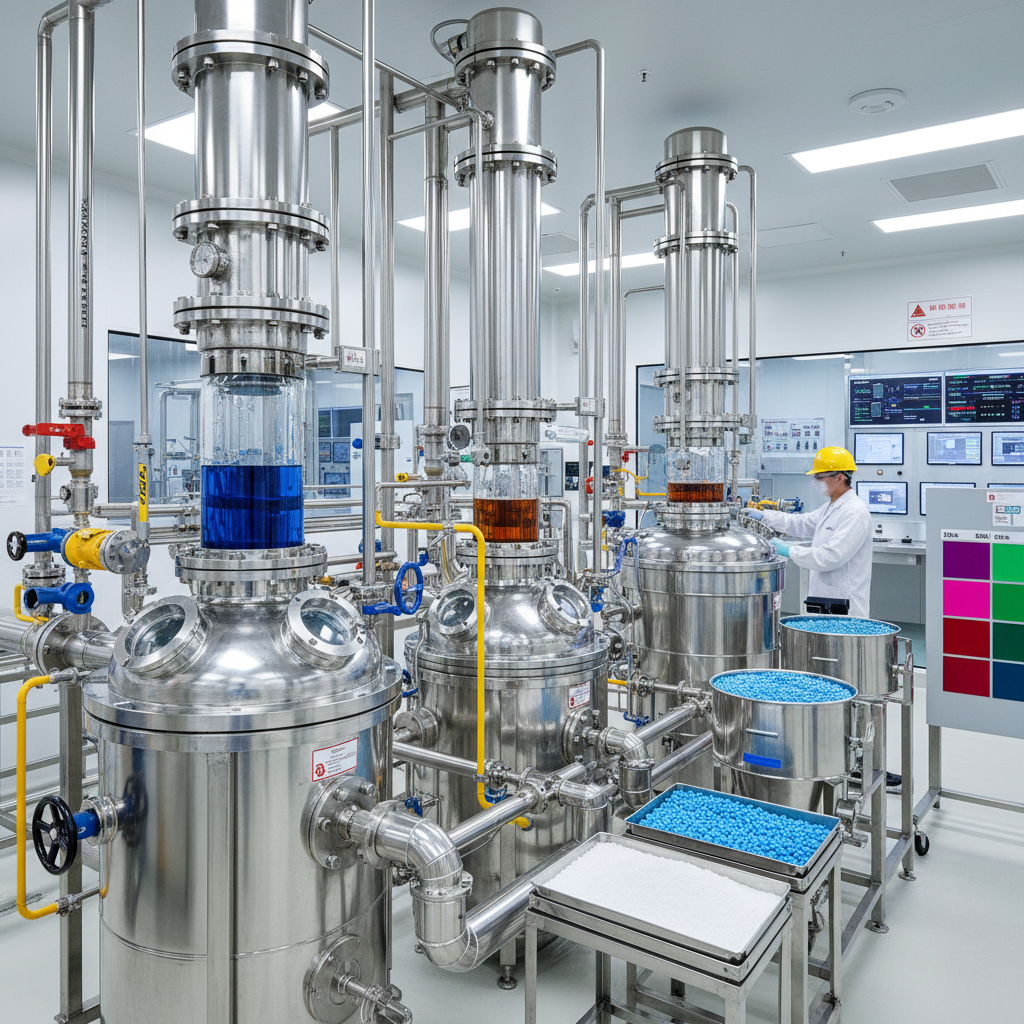
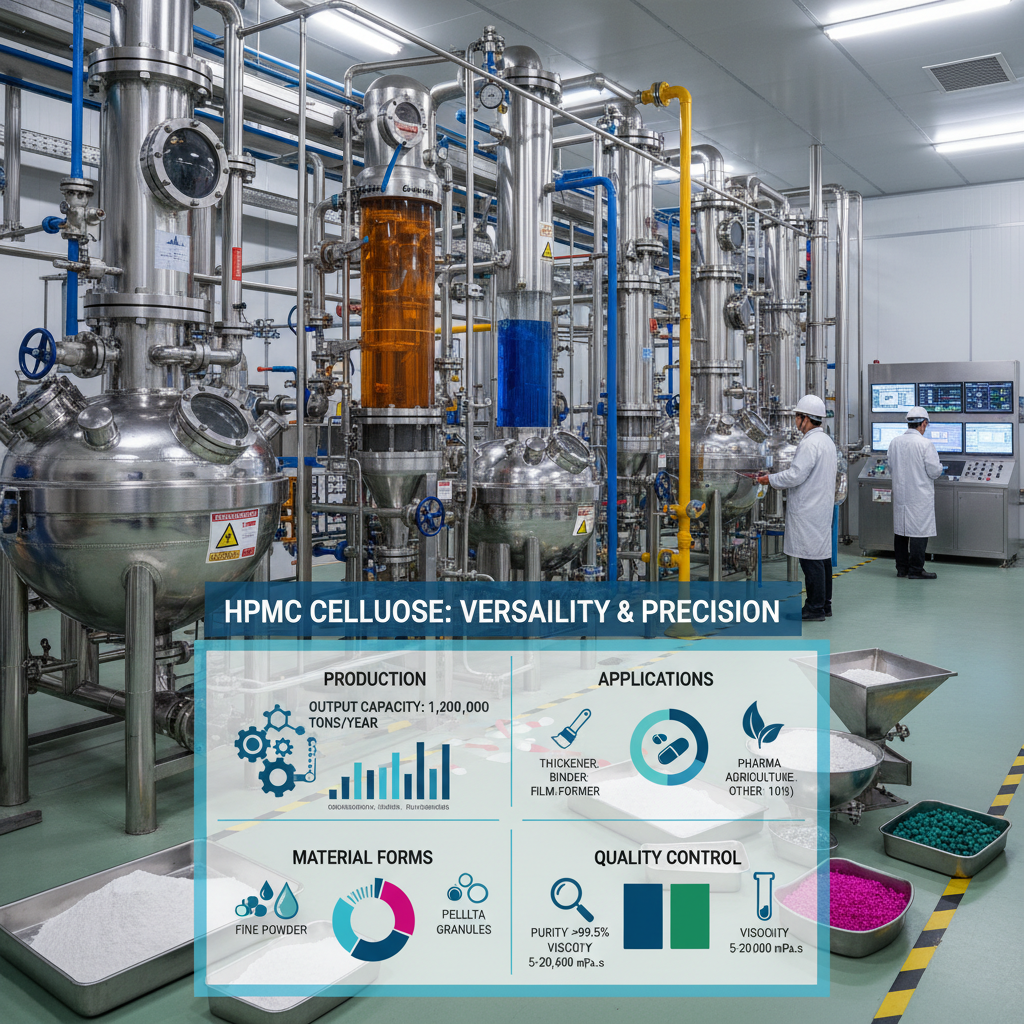
hpmc cellulos, or Hydroxypropyl Methylcellulose, isn't some newfangled lab creation. It's been around for decades, quietly improving the performance of materials we use every single day. From the tile adhesive holding your bathroom together to the paint on your walls, chances are hpmc is playing a role. It’s a cellulose ether, meaning it's derived from wood pulp – a renewable resource – and chemically modified to give it specific properties that make it incredibly useful in a huge range of applications.
What I've learned after years on site is that it’s not about having the materials, it’s about controlling them. hpmc cellulos gives you that control. It’s about consistency, about knowing how something is going to behave before you pour it, spread it, or mix it. That predictability saves time, money, and a whole lot of headaches. It's a foundational element of modern building practices.
The dosage rate of hpmc cellulos varies depending on the desired properties and the specific concrete mix design. Generally, it ranges from 0.2% to 1.0% by weight of cement. However, it's crucial to conduct trial mixes to determine the optimal dosage for your application. Too little might not provide sufficient water retention or workability, while too much could lead to segregation or reduced strength. Always consult with a material specialist for precise recommendations.
While hpmc cellulos is generally compatible with most common cement types (Portland cement, blended cements), compatibility can be affected by the presence of certain admixtures, such as retarders or accelerators. It’s always recommended to perform compatibility tests before large-scale use, especially when using unconventional cement types or complex admixture combinations. Some cements with high alumina content may also exhibit reduced compatibility.
hpmc cellulos typically extends the setting time of concrete, particularly in warm weather conditions. This is due to its water retention properties, which slow down the hydration process. While this can be beneficial for preventing premature setting and improving workability, it's important to consider the project schedule and adjust the dosage accordingly. In some cases, a small amount of accelerator may be needed to counteract the retarding effect.
When stored properly in a cool, dry, and sealed container, hpmc cellulos powder typically has a shelf life of at least two years. However, prolonged exposure to moisture or high temperatures can degrade the material and reduce its effectiveness. Always check the manufacturer’s specifications for the recommended storage conditions and expiration date. Visually inspect the powder for any signs of clumping or discoloration before use.
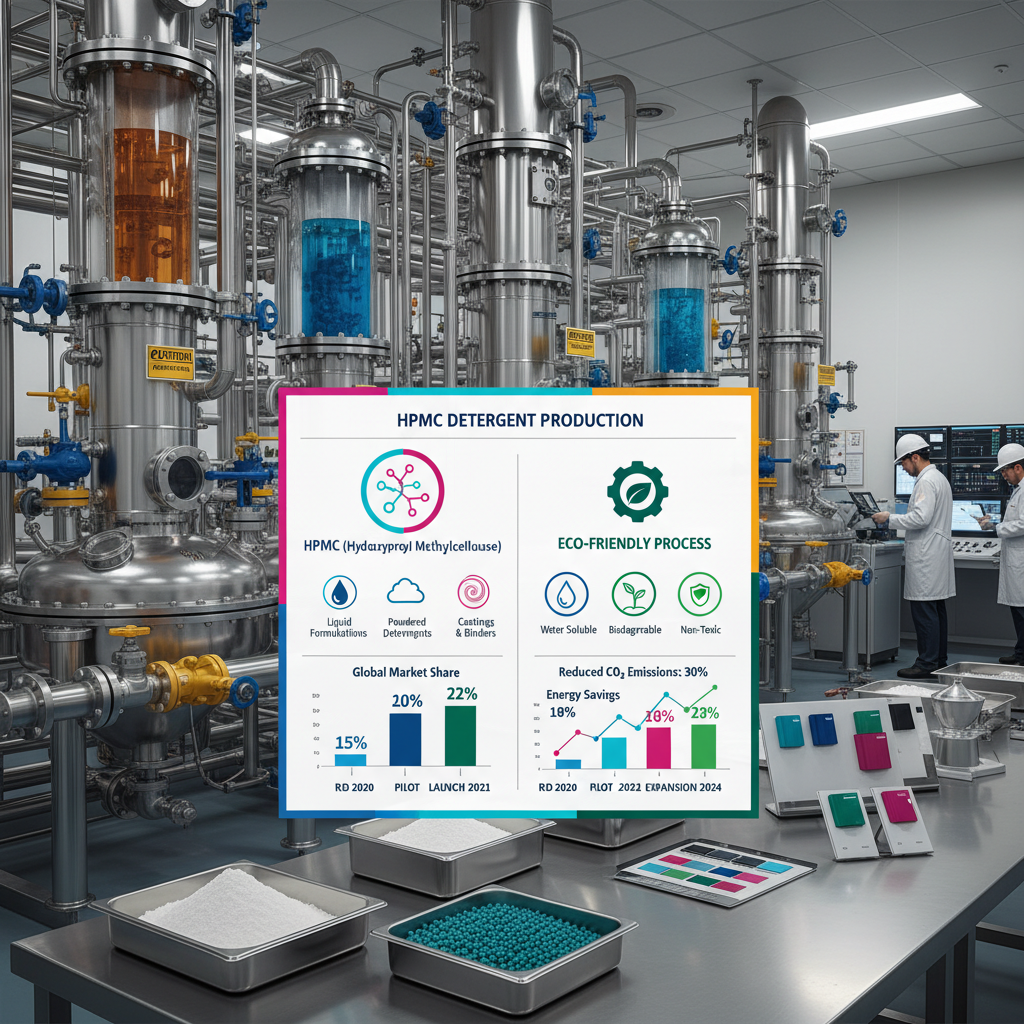
Yes, hpmc cellulos is considered relatively environmentally friendly. It's derived from cellulose, a renewable resource obtained from wood pulp. The manufacturing process is generally considered less energy-intensive and produces fewer greenhouse gas emissions compared to some synthetic polymers. Furthermore, by improving the durability and lifespan of structures, hpmc cellulos contributes to reducing waste and conserving resources. Look for products sourced from sustainably managed forests for maximum environmental benefit.
Yes, certain grades of hpmc cellulos are specifically designed for exterior applications and can withstand exposure to harsh weather conditions, including UV radiation, temperature fluctuations, and freeze-thaw cycles. However, it's crucial to select a grade with appropriate thermal stability and alkali resistance. Proper application and sealing are also essential to ensure long-term performance and prevent degradation. Consider using modified hpmc cellulos with improved weather resistance for demanding exterior applications.
hpmc cellulos isn’t a magic bullet, but it’s a vital component of modern construction and a lot of other industries. It’s about understanding its properties, knowing how to use it effectively, and recognizing the long-term benefits it brings – from improved workability and durability to increased sustainability. I’ve seen it solve countless problems on job sites, and I’m convinced it will continue to play an increasingly important role in building a better future.
My advice? Don’t just see it as another ingredient in a bag. Invest the time to understand its potential, work with experienced suppliers, and leverage its capabilities to optimize your projects. The small investment in knowledge and the right materials will pay dividends in the long run. To learn more about how hpmc cellulos can benefit your specific application, visit our website: hpmc cellulos.