




Introduction to Hydroxypropyl Methyl Cellulose (HPMC)
Hydroxypropyl Methyl Cellulose (HPMC) is a versatile chemical additive widely used in construction and industrial applications. Derived from purified cotton fiber through a specialized etherification process, HPMC offers exceptional performance characteristics that make it indispensable in modern building materials. This article explores the technical specifications, functional advantages, and practical applications of HPMC, particularly in tile adhesive formulations.
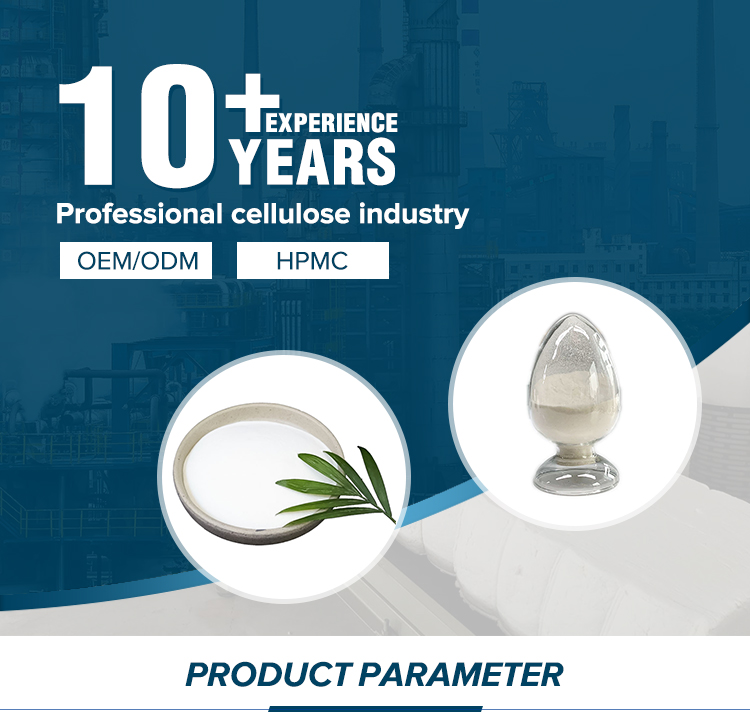
Figure 1: Hydroxypropyl Methyl Cellulose (HPMC) powder
Technical Specifications of HPMC
HPMC's performance is defined by its precise chemical and physical properties. Below is a detailed specification table outlining its key characteristics:
| Parameter | Specification |
|---|---|
| Appearance | Milky white or white powder |
| Carbonization Temperature | 280-300°C |
| Color Temperature | 190-200°C |
| Particle Size | 100 mesh >98.8%, 80 mesh 99.9%, 40-60 mesh (special) |
| Apparent Density | 0.25-0.70 g/cm³ |
| Specific Gravity | 1.26-1.31 |
| Solubility | Soluble in water and certain solvents (e.g., ethanol/water, propanol/water) |
These specifications ensure HPMC's compatibility with various construction materials while maintaining stability under different environmental conditions.
Key Functional Advantages of HPMC
HPMC's unique molecular structure provides several critical benefits for construction applications:
- Thickening Ability: Enhances the viscosity of cementitious mixtures, improving workability and reducing sagging.
- Salt Resistance: Maintains performance in high-salinity environments, critical for coastal construction projects.
- Water Retention: Prevents premature drying of mortars, ensuring optimal curing conditions.
- Dimensional Stability: Minimizes shrinkage and cracking in dried films.
- Adhesion: Strong bonding properties enhance the cohesion between tiles and substrates.
As noted by the National Institute of Standards and Technology (NIST), "HPMC's ability to maintain structural integrity under varying conditions makes it a preferred additive in high-performance construction materials" (NIST, 2023).
Construction Applications of HPMC
HPMC's versatility is evident in its wide range of construction applications:
1. Cement Mortar
HPMC improves the flowability and adhesion of cement mortars, making them ideal for both interior and exterior applications.
2. Ceramic Tile Cement
The additive enhances the bond strength between tiles and substrates, reducing the risk of delamination.
3. Refractory Coatings
As a suspension agent, HPMC improves the fluidity and adhesion of asbestos-based coatings, ensuring even application.
4. Gypsum Coagulant Slurry
HPMC increases water retention and workability, crucial for gypsum-based wall systems.
5. Joint Cement
When added to joint cement for gypsum boards, HPMC improves fluidity and water retention, enhancing overall performance.
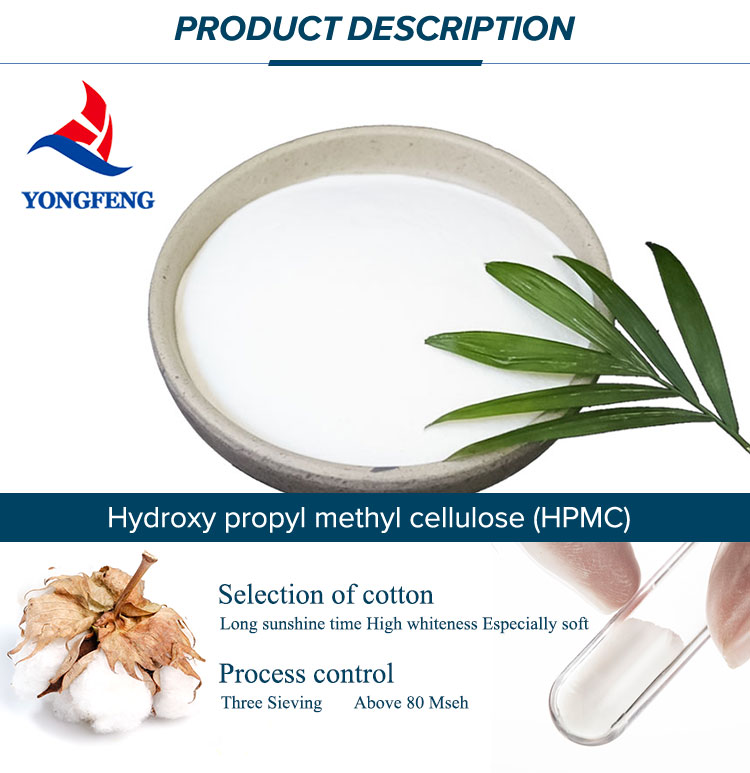
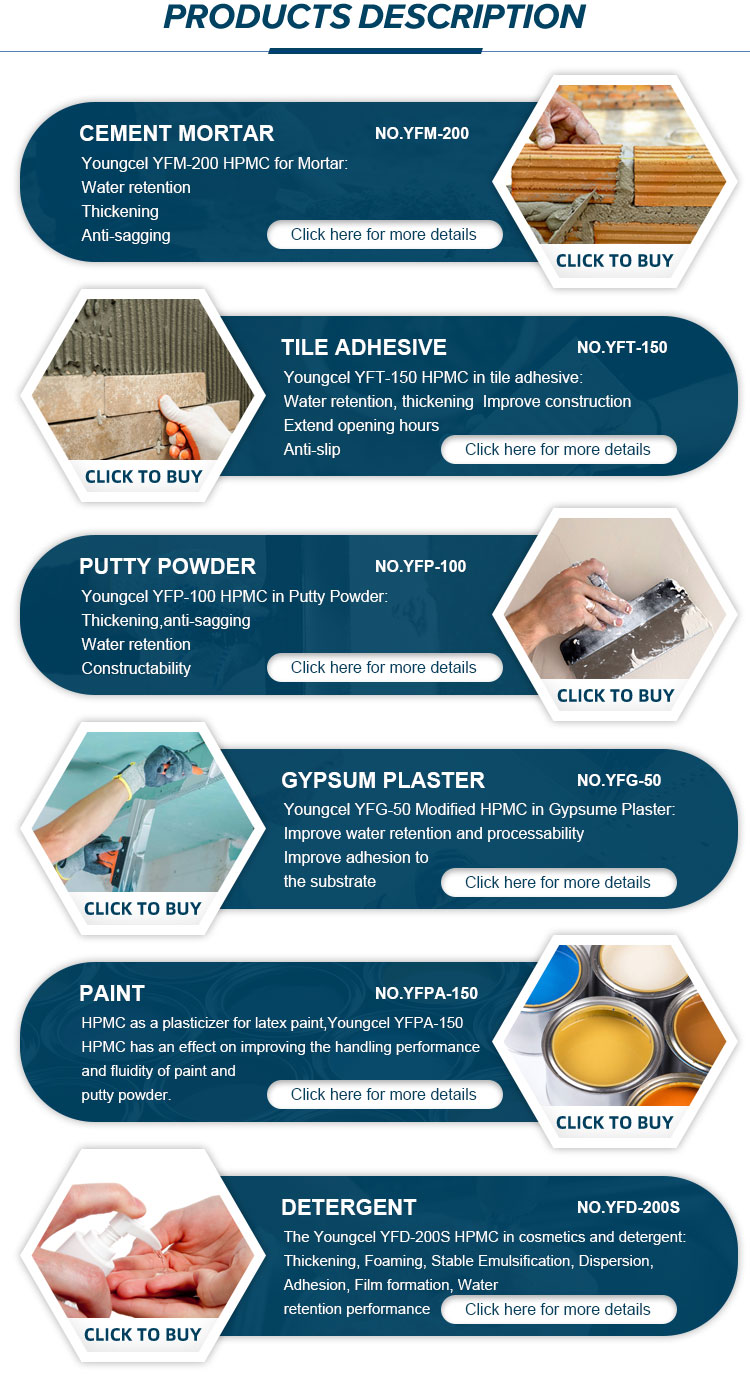
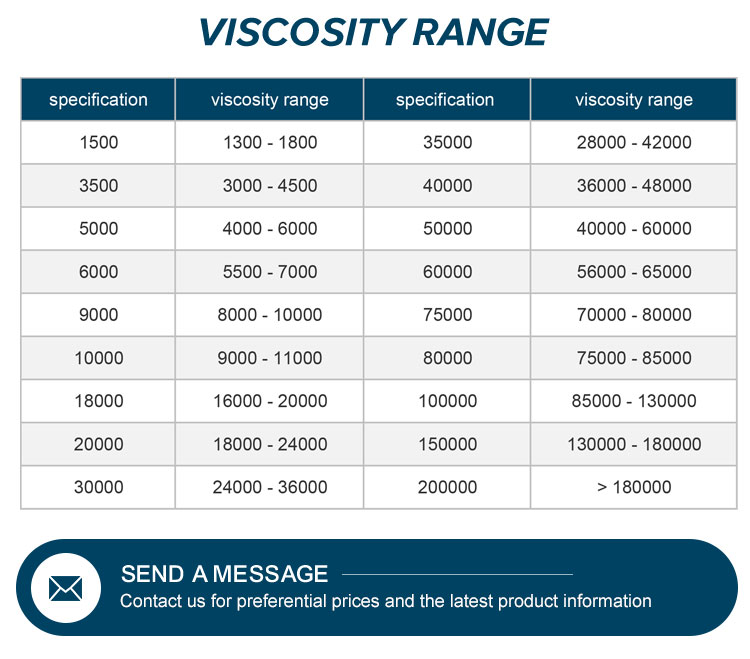
Figure 2: HPMC in construction applications
Company Background: Shijiazhuang Gaocheng District Yongfeng Cellulose Co., Ltd.
Founded in 2005, Shijiazhuang Gaocheng District Yongfeng Cellulose Co., Ltd. is a leading manufacturer of cellulose derivatives in China. The company specializes in producing high-purity HPMC for construction, pharmaceutical, and industrial applications. With state-of-the-art production facilities and a commitment to quality, Yongfeng Cellulose has established itself as a reliable supplier to global markets.
Key company details include:
- Product Classification: Chemical Auxiliary Agent
- CAS Number: 9004-65-3
- Packaging: 25KG net weight
- Purity: 99%
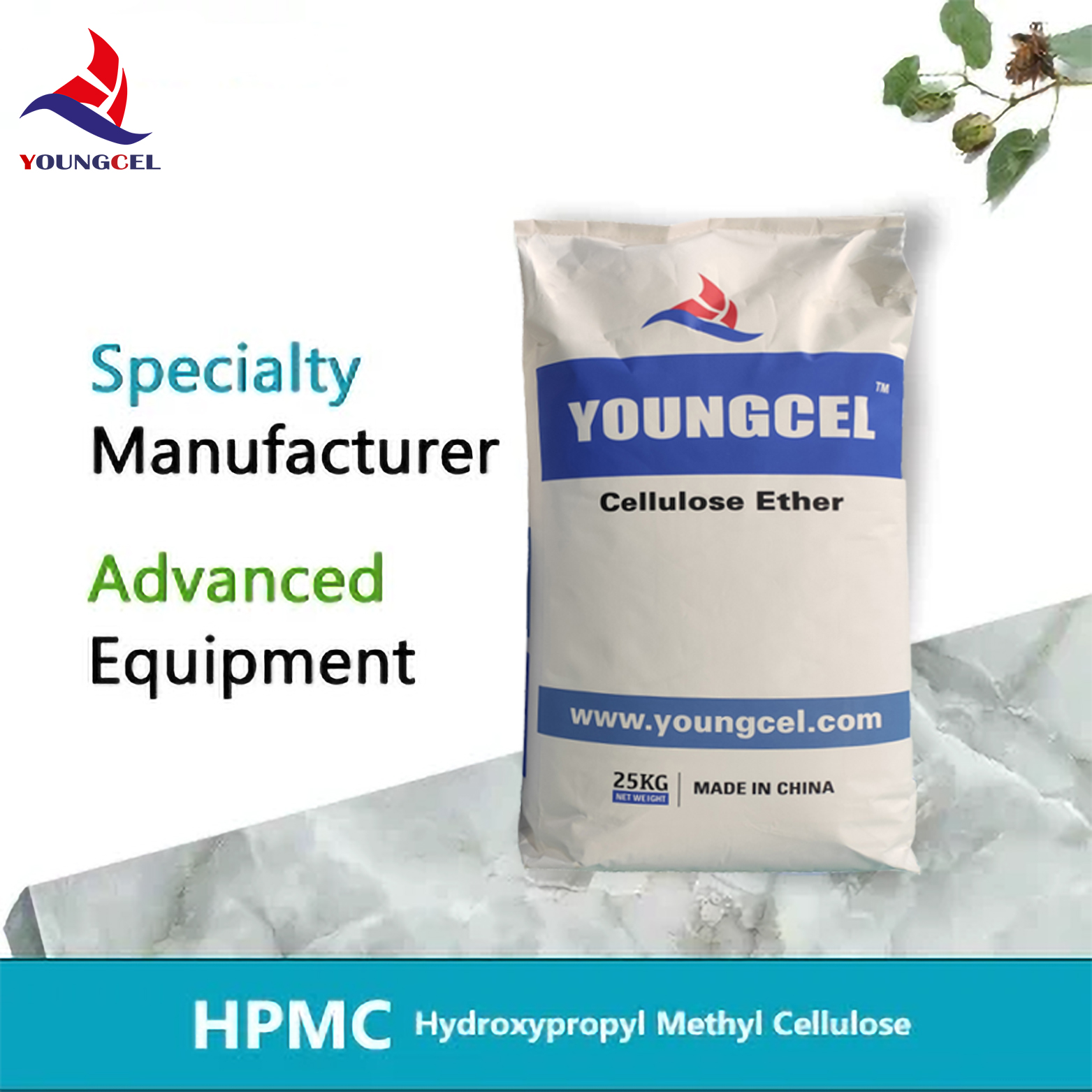
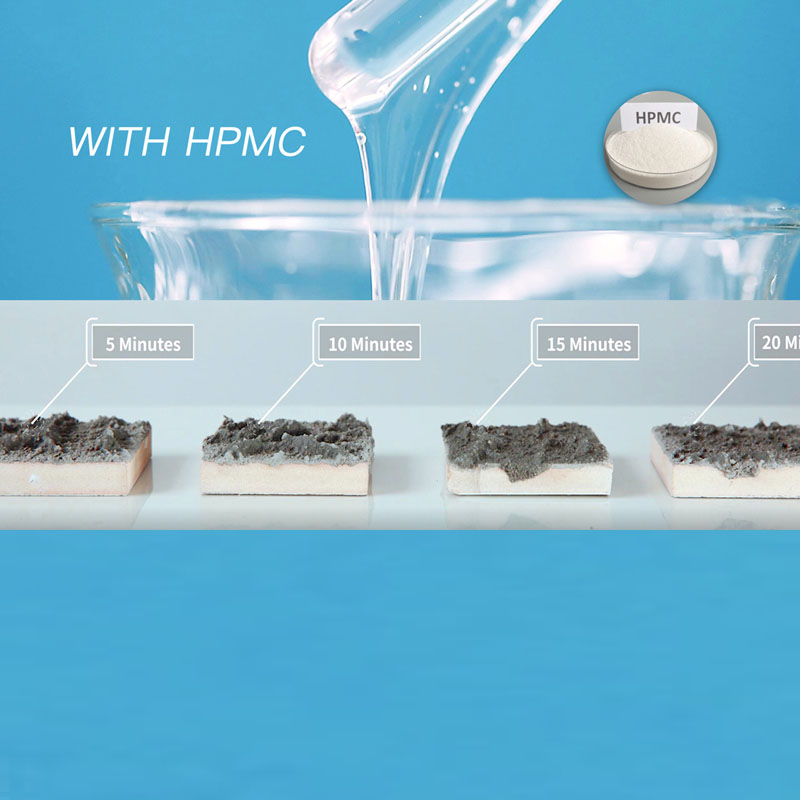
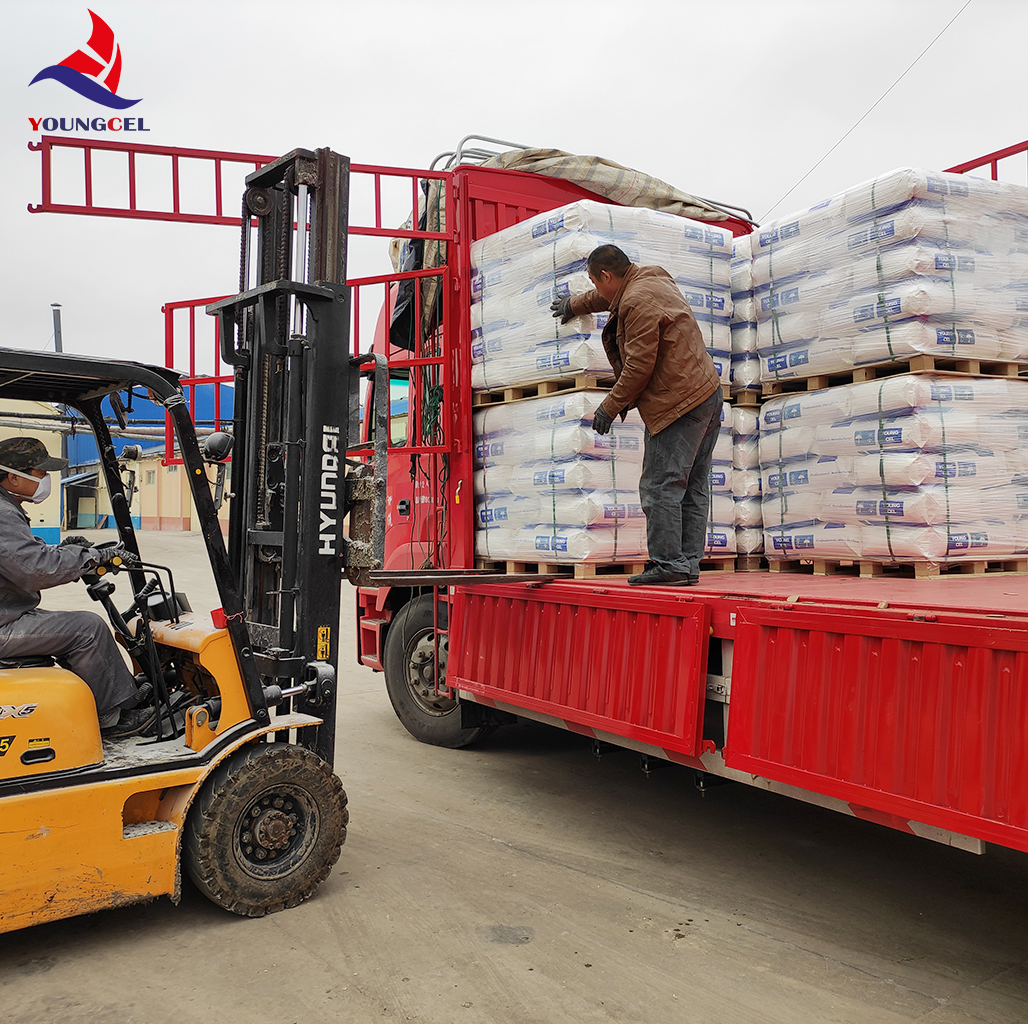
Figure 3: Products from Shijiazhuang Gaocheng District Yongfeng Cellulose Co., Ltd.
Conclusion
Hydroxypropyl Methyl Cellulose (HPMC) is a critical additive in modern construction materials, offering unmatched performance in tile adhesives, mortars, and coatings. Its technical specifications, combined with the expertise of manufacturers like Shijiazhuang Gaocheng District Yongfeng Cellulose Co., Ltd., ensure that HPMC remains a cornerstone of the construction industry. As the demand for durable and sustainable building materials grows, HPMC's role will continue to expand, driven by ongoing innovations in cellulose chemistry.
References
NIST (National Institute of Standards and Technology). (2023). Performance Characteristics of Cellulose Derivatives in Construction Materials. Retrieved from https://www.nist.gov/
-
Industrial Guide to High Performance Ceramic Adhesives UseNewsApr.16,2026
-
Ultimate Guide to Choosing the Right Cement Wall PaintNewsApr.09,2026
-
Comprehensive Guide to Cement Thickeners for Construction and Oil DrillingNewsApr.07,2026
-
Optimizing Construction with Advanced Cement Mortar Additive SolutionsNewsApr.04,2026
-
Understanding Cement Glue for Construction and DIY ProjectsNewsMar.31,2026
-
Effective Cement Dissolver Chemical Solutions for Construction and IndustryNewsMar.28,2026