




Hydroxypropyl Methyl Cellulose (HPMC) is a versatile chemical additive widely used in the construction industry. As a key component in tile adhesives and plaster formulations, HPMC enhances the performance of cement-based materials through its unique rheological properties and water retention capabilities. This article provides an in-depth analysis of HPMC's technical specifications, applications, and the company behind this innovative product.
Product Overview
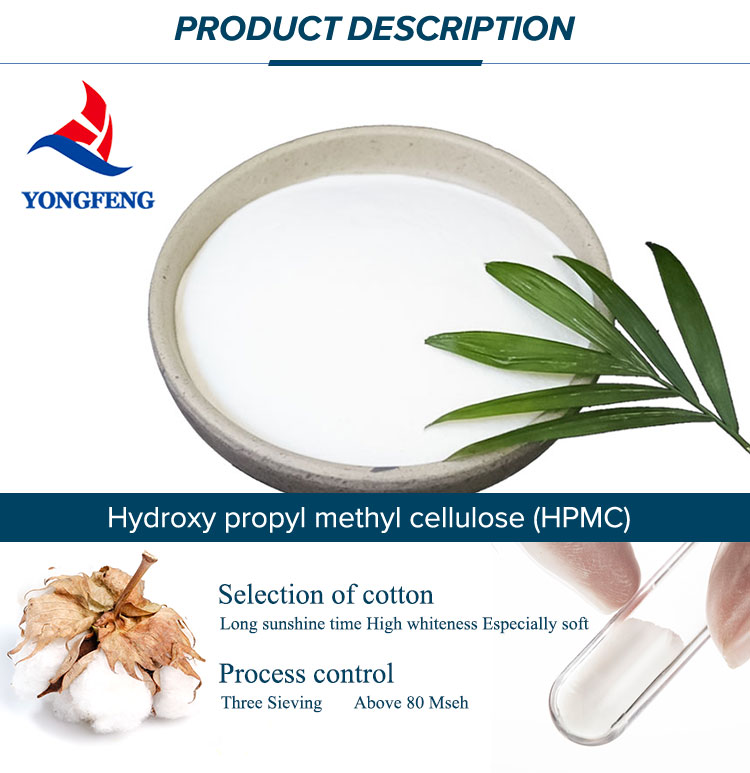
HPMC, also known as hydroxypropyl methyl cellulose, is a semi-synthetic polymer derived from cellulose. It is produced by etherifying highly purified cotton fibers under alkaline conditions. The resulting compound exhibits exceptional thickening, water retention, and film-forming properties, making it indispensable in modern construction materials.

Key Features: HPMC offers high transparency, stable performance, and compatibility with various solvents. Its ability to improve workability and adhesion makes it a preferred choice for professionals in the construction sector.
Technical Specifications
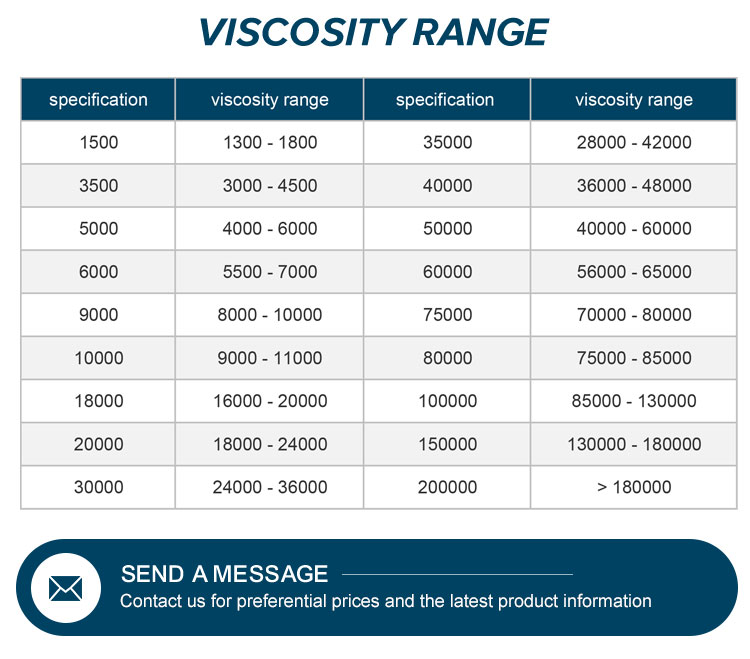
| Parameter | Specification |
|---|---|
| Appearance | Milky white or white powder |
| Carbonization Temperature | 280-300% |
| Color Temperature | 190-200% |
| Particle Size | 100 mesh: >98.8%; 80 mesh: 99.9% |
| Apparent Density | 0.25-0.70g/cm³ |
| Specific Gravity | 1.26-1.31 |
| Solubility | Water-soluble; compatible with ethanol/water and propanol/water mixtures |
Applications in Construction
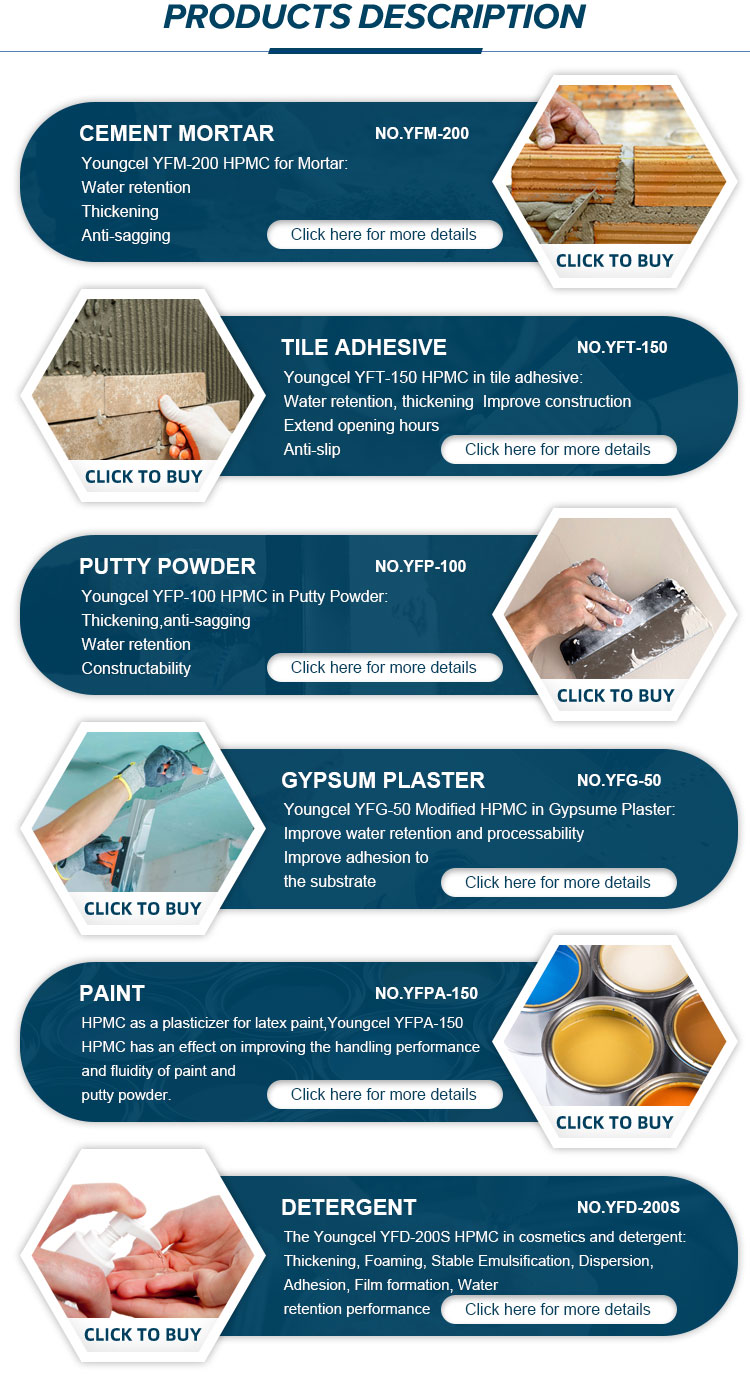
HPMC's versatility is evident in its wide range of applications across the construction industry:
- Cement Mortar: Enhances workability and reduces cracking.
- Ceramic Tile Cement: Improves adhesion and prevents slippage.
- Refractory Coatings: Acts as a suspension agent and improves substrate adhesion.
- Gypsum Slurry: Boosts water retention and adhesion to substrates.
- Joint Cement: Enhances fluidity and water retention in gypsum board joints.
Advantages of HPMC
HPMC offers several benefits that make it a preferred additive in construction materials:
- Water Retention: Prevents premature drying of mortar and concrete, ensuring proper curing.
- Thickening Ability: Improves the consistency of cementitious mixtures without increasing viscosity.
- Dimensional Stability: Reduces shrinkage and cracking in finished products.
- Mildew Resistance: Enhances the durability of coatings and plasters in humid environments.
- Dispersibility: Ensures even distribution of ingredients in mixtures.
Company Background
Shijiazhuang Gaocheng District Yongfeng Cellulose Co., Ltd. is a leading manufacturer of cellulose derivatives, specializing in the production of HPMC for construction applications. With years of expertise in chemical processing, the company ensures high-quality standards through rigorous quality control measures.
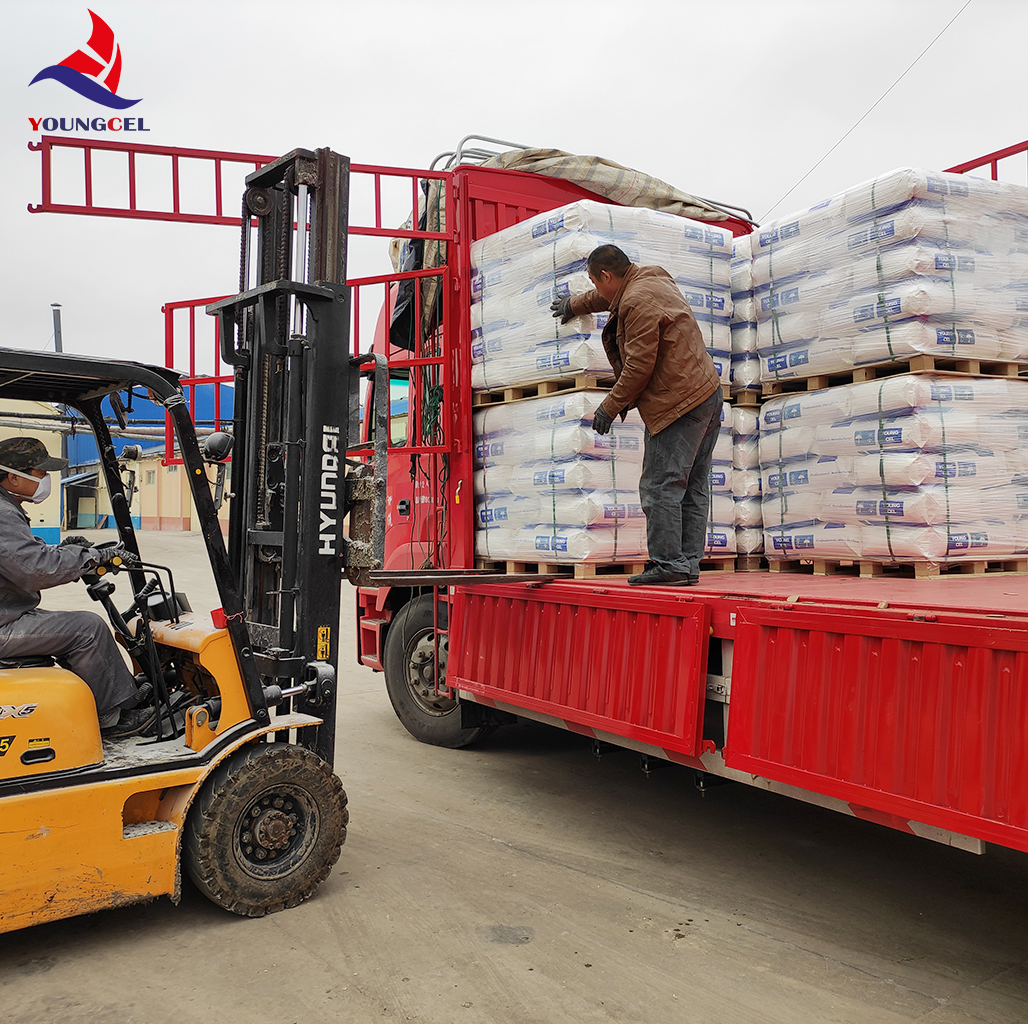
As a trusted supplier, Yongfeng Cellulose provides HPMC in 25kg net weight packaging, meeting industry requirements for purity (99%) and performance. Their products are widely used in tile adhesives, plaster additives, and other construction materials.
Industry Standards and References
According to the National Institute of Standards and Technology (NIST), cellulose ethers like HPMC play a critical role in modern construction materials due to their ability to enhance workability and durability. NIST's research on polymer additives in cementitious systems highlights the importance of HPMC in reducing environmental impact while maintaining structural integrity (NIST Reference).
Conclusion
Hydroxypropyl Methyl Cellulose is an essential component in contemporary construction materials, offering unmatched performance in tile adhesives and plaster formulations. Its unique properties, combined with the expertise of manufacturers like Shijiazhuang Gaocheng District Yongfeng Cellulose Co., Ltd., ensure that HPMC remains a cornerstone of the industry. For more information, visit the product page.
References
NIST Reference: https://www.nist.gov/
-
Industrial Guide to High Performance Ceramic Adhesives UseNewsApr.16,2026
-
Ultimate Guide to Choosing the Right Cement Wall PaintNewsApr.09,2026
-
Comprehensive Guide to Cement Thickeners for Construction and Oil DrillingNewsApr.07,2026
-
Optimizing Construction with Advanced Cement Mortar Additive SolutionsNewsApr.04,2026
-
Understanding Cement Glue for Construction and DIY ProjectsNewsMar.31,2026
-
Effective Cement Dissolver Chemical Solutions for Construction and IndustryNewsMar.28,2026