



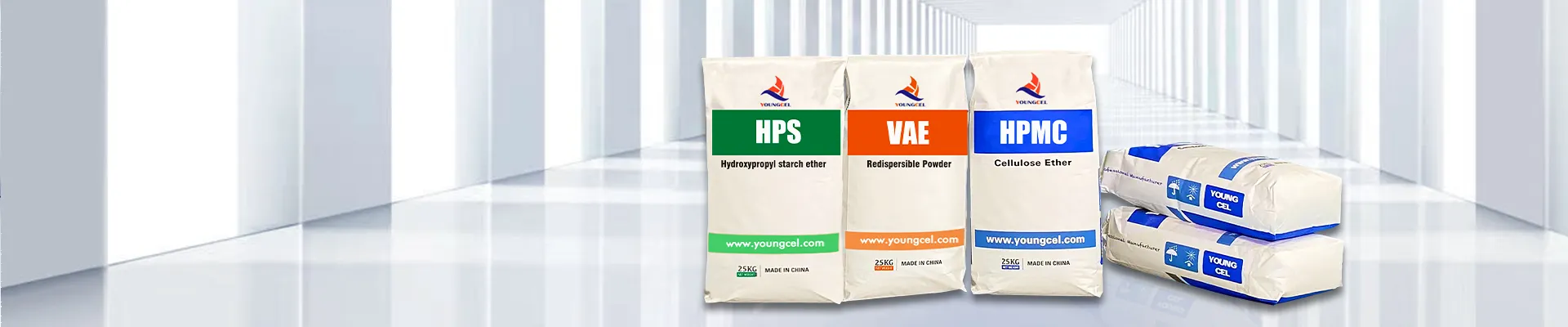
Redispersible Polymer Powder Suppliers: What’s All the Fuss About?
Redispersible polymer powder suppliers might not make the evening news, but they’re pivotal players in industries ranging from construction to humanitarian aid worldwide. Simply put, these powders are special polymers that can be mixed back (“redispersed”) with water to form sticky, flexible binders. Understanding their role means better buildings, sustainable infrastructure, and sometimes, even safer homes after disasters. As urbanization and catastrophe recovery become more urgent globally, knowing why these suppliers matter is a small but crucial step in supporting resilient communities and innovative industries.
Global Insights: Why the World Needs Reliable Redispersible Polymer Powder Suppliers
The construction industry alone accounts for nearly 40% of global CO2 emissions according to the International Energy Agency. Sustainable materials are a focal point now more than ever, and redispersible polymer powders (RPPs) fit neatly into that push. From Europe’s eco-friendly concrete admixtures to large infrastructure projects in Asia and Africa needing fast, reliable bonding agents, the demand for dependable RPP sources is skyrocketing.
One of the pressing challenges these polymer powders address is durability under harsh environmental conditions—think freezing winters or aggressive marine climates. Companies are scrambling to find reliable redispersible polymer powder suppliers who can deliver consistent quality. And it’s not just builders; humanitarian organizations rely on these materials for temporary shelters and infrastructure rebuilding after natural disasters in vulnerable regions.
Mini takeaway: The global construction and post-disaster sectors increasingly depend on trustworthy redispersible polymer powders to improve durability, speed, and sustainability.
What Are Redispersible Polymer Powder Suppliers, Anyway?
At its core, a redispersible polymer powder supplier is a company that produces or distributes these unique polymer powders. These powders are typically made from vinyl acetate–ethylene copolymers and other specialized materials.
Why powders? Because dry polymers have a long shelf life, and when mixed with water on-site, they “redisperse” into a latex-like solution. This property makes them incredibly useful in modern construction — like tile adhesives, renders, or mortars — where flexibility and bonding are key. On a humanitarian level, they support rapid deployment housing and repair materials — meaning refugee camps or disaster zones can get safer shelters fast.
Core Aspects Every Buyer Should Know
1. Durability and Adhesion
The primary role here is enabling surfaces to stick together more reliably — whether it’s cement tiles on a wall or insulating panels in a cold climate. Redispersible polymer powders improve crack resistance and flexural strength, which many engineers say lengthens a structure’s life significantly.
2. Scalability
Suppliers who can meet large, consistent orders in multiple regions have the edge. Practical applications often require tons, not kilos. Scalability affects pricing, delivery speed, and consistency, often making or breaking contracts on big projects.
3. Cost-effectiveness
Although these powders add upfront material costs, many clients find the long-term savings on repair and waste impressive. Efficient bonding reduces rework, and some suppliers offer tailored solutions optimizing for local raw materials.
4. Environmental Impact
Eco-conscious buyers look for powders with low VOC emissions and that comply with international green building certifications. Increasingly, suppliers innovate with bio-based or recycled polymers, cutting fossil fuel dependence.
5. Technical Support & Customization
Top suppliers provide close technical support, adapting polymer grades to client needs — whether for rapid setting or high flexibility. This kind of collaboration is crucial in high-stakes environments, like hospitals or schools.
| Parameter | Typical Range | Unit |
|---|---|---|
| Polymer Type | Vinyl Acetate-Ethylene (VAE) | - |
| Particle Size | 10 - 50 | μm |
| Glass Transition Temp. | -10 to 20 | °C |
| Redispersion Time | 2 - 10 | minutes |
| Bulk Density | 300 - 500 | kg/m³ |
Global Realities: Where Redispersible Polymer Powders Make a Difference
In Europe, large-scale renovations of aging infrastructure increasingly call on these powders for tile adhesives and lightweight mortars, often under strict environmental rules. In Asia, blistering growth of affordable housing means suppliers must juggle quality and volume effortlessly.
Meanwhile, in post-disaster relief efforts—from typhoons in the Philippines to earthquakes in Turkey—organizations rely on fast-setting, durable binders to quickly rebuild shelters and facilities. NGO warehouses often stock up on polymer powders that help create flexible, crack-resistant mortars, providing safer homes for displaced families within days.
Mini takeaway: Redispersible polymer powders cross continents and sectors, often hidden behind the scenes yet fundamentally shaping resilient and rapid construction worldwide.
Comparing Industry Leaders: A Quick Look at Redispersible Polymer Powder Suppliers
| Supplier | Region | Product Variants | Custom Tech Support | Sustainability Focus |
|---|---|---|---|---|
| Youngcel Polymer Co. | Asia-Pacific | 5 Types including bio-based | Yes, global experts | High (ISO 14001 certified) |
| EuroPolymer Supplies | Europe | 7 Standard grades | Moderate, project-based | Medium (focus on waste reduction) |
| AmeriBind Polymers | North America | Custom tailored blends | Full-service, R&D driven | Medium |
Advantages That Go Beyond the Specs
It’s tempting to think of these powders in just technical terms — adhesion, particle size, etc. But really, the advantages ripple further:
- Durability: Structures stand tall longer, meaning fewer repairs and less waste.
- Safety & Comfort: Flexible polymers adapt with the building, resisting cracks that can lead to moisture problems or even structural failure.
- Eco-conscious: Many suppliers commit to greener production methods, supporting sustainable building goals.
- Social Impact: Rapid rebuilding after disasters saves lives and restores dignity.
When you think about it, these powders quietly help engineers and humanitarian workers deliver wins in efficiency and sustainability every day.
What’s Next? Future Trends and Innovations
Emerging trends show a shift towards bio-based polymers made from renewable resources, cutting carbon footprints further. Digital tools now allow tailoring polymer blends precisely for specific project climates and substrates — a win for customization.
Automation in manufacturing promises consistent batch-to-batch quality, minimizing variation that’s so frustrating on-site. And with global sustainability agendas pressing forward, suppliers offering transparent lifecycle analyses and waste-reducing packaging stand out.
Facing Current Challenges Head-On
That said, sourcing redispersible polymer powders isn’t without its bumps. Logistics can be tricky, especially for remote or politically unstable areas. Price volatility due to raw material fluctuations also challenges buyers. But smart suppliers mitigate these with flexible contracts, bulk production runs, and strategic regional warehousing.
On the technical end, ongoing research targets even faster redispersion times and enhanced bonding with alternative cementitious materials — aiming at applications in 3D printing concrete and beyond.
FAQs: What Do People Usually Ask About Redispersible Polymer Powder Suppliers?
- What industries most commonly use redispersible polymer powders?
- Primarily construction and building materials, including tile adhesives, renders, and mortars. They’re also used in precast concrete and even some packaging applications.
- How do I choose the right supplier for large-scale projects?
- Look for suppliers with proven scalability, consistent quality certifications (like ISO), and good technical support. Regional presence can also help with logistics.
- Are these powders environmentally friendly?
- Many suppliers now offer eco-certified powders with low VOC emissions and bio-based raw materials. Checking for sustainability certifications helps ensure your choice aligns with green building goals.
- Can these powders be used in extreme climates?
- Absolutely. Redispersible polymer powders improve flexibility and resistance to cracking, which is crucial in freeze-thaw cycles or hot, arid environments.
- What’s the typical shelf life of redispersible polymer powders?
- Stored in dry conditions, they usually last 6 to 12 months without quality loss—an advantage over liquid latex that degrades faster.
Wrapping Up: Why Redispersible Polymer Powder Suppliers Matter Long-Term
So, whether you’re an industrial engineer, a procurement manager, or a relief coordinator, partnering with trustworthy redispersible polymer powder suppliers makes a difference that often goes unspoken. Their powders are the silent champions behind durable infrastructure, sustainable building, and rapid humanitarian response.
Next time you walk past a freshly laid tile or a rebuilt shelter, remember the chemistry and global logistics behind it all...
For detailed, reliable supplies and tech support, visit our website: https://www.youngcel.com
References & Credits
-
Industrial Guide to High Performance Ceramic Adhesives UseNewsApr.16,2026
-
Ultimate Guide to Choosing the Right Cement Wall PaintNewsApr.09,2026
-
Comprehensive Guide to Cement Thickeners for Construction and Oil DrillingNewsApr.07,2026
-
Optimizing Construction with Advanced Cement Mortar Additive SolutionsNewsApr.04,2026
-
Understanding Cement Glue for Construction and DIY ProjectsNewsMar.31,2026
-
Effective Cement Dissolver Chemical Solutions for Construction and IndustryNewsMar.28,2026