



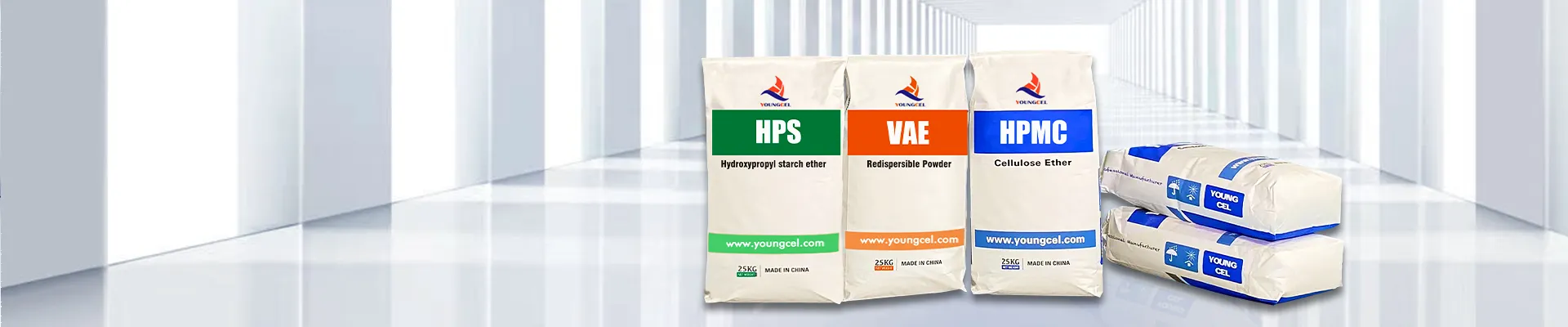
Understanding Hydroxy Methyl Cellulose: Why It Matters Globally
Hydroxy methyl cellulose (HMC) might sound like a mouthful of chemistry jargon, but it’s actually one of those under-the-radar compounds shaping industries from construction to pharmaceuticals worldwide. Why should you care? Well, this cellulose derivative is a versatile, water-soluble polymer that improves texture, stability, and durability in countless products. Grasping its benefits means understanding a little piece of what keeps modern life running smoothly — especially in a world that needs sustainable, reliable solutions now more than ever.
Whether it’s enhancing building materials that withstand extreme climates or thickening medicines that help save lives, hydroxy methyl cellulose quietly holds an important place. Let’s see why global businesses, humanitarian groups, and innovators alike keep turning to this remarkable polymer.
The Global Context: Hydroxy Methyl Cellulose in Today’s World
Did you know the global cellulose derivatives market is projected to grow at around 6% annually, driven by growing demands in emerging economies? (source: Statista) Hydroxy methyl cellulose, a key player here, helps address challenges like climate resilience in construction, safer and more effective pharmaceuticals, and eco-friendly food processing aids.
Take a moment to imagine how rapid urbanization calls for building materials that not only last but are easier to produce sustainably. Or picture humanitarian relief zones where efficient, reliable materials can mean the difference between timely shelter and prolonged suffering. Hydroxy methyl cellulose answers many such calls — handling thickening, binding, and stabilization roles admirably. Still, many industries are just beginning to tap its full potential.
Defining Hydroxy Methyl Cellulose — What Is It, Really?
Simply put, hydroxy methyl cellulose is a modified cellulose polymer derived from natural wood pulp or cotton fibers. Think of it as cellulose’s slightly jazzed-up cousin — chemically tweaked to dissolve in water and change viscosity without losing biodegradability. This makes it a favorite where texture, moisture retention, and chemical resistance matter.
Its relevance spans from drug capsules to paint formulations. Particularly in modern construction, it improves mortar workability and water retention. Oddly enough, this means it quietly helps keep millions of buildings intact across continents while being kind to the environment.
Core Features That Make Hydroxy Methyl Cellulose Indispensable
1. Water Retention and Workability
In construction, hydroxy methyl cellulose keeps plaster and cement workable longer, allowing for smoother application and fewer cracks. This water retention plays a leading role in durability, especially in regions with challenging weather.
2. Stability and Viscosity Control
Its ability to thicken or stabilize liquids without adding harmful chemicals makes it invaluable in food, cosmetics, and pharmaceuticals — offering safe consistency without artificial additives.
3. Thermal and Chemical Resistance
HMC withstands varying temperatures and chemical exposures, letting manufacturers use it in harsher environments without degradation.
4. Biodegradability and Sustainability
Being cellulose-based, it offers an eco-friendly alternative to petroleum-based products — an increasingly critical factor for green certifications and environmental stewardship.
5. Versatility and Customization
Thanks to adjustable molecular weight and substitution levels, HMC products can be tailored to specific industry needs, from fine pharmaceuticals to heavy-duty construction components.
Hydroxy Methyl Cellulose in Action: Global Applications
If you’ve ever marveled at a smooth, crack-free wall or used a moisturizing lotion that felt just right, hydroxy methyl cellulose was likely behind the scenes. Its global usage spans:
- Construction: Used in dry-mix mortars, tile adhesives, and gypsum products, especially in Asia and Europe, where quality standards demand long-lasting finishes.
- Pharmaceuticals: Vital as a binder and thickening agent in medicinal tablets and topical creams worldwide.
- Food Industry: Employed as a safe thickener and stabilizer in emulsions and gluten-free baking.
- Cosmetics: Adds smoothness, texture, and moisture retention in lotions and creams.
- Humanitarian Relief: NGOs in post-disaster zones often rely on HMC-enhanced plaster for quick and durable shelter repairs, reducing downtime and improving safety.
Regions with harsh climates, such as the Middle East and parts of Africa, benefit hugely from construction materials using HMC, which improve resistance to heat and water.
Advantages and Long-Term Benefits
What truly sets hydroxy methyl cellulose apart are its combined economic and ecological benefits. From a cost perspective, its role in improving materials means less waste, fewer repairs, and longer service life. Socially, better buildings and products mean safer, healthier environments. There’s even an emotional angle here: using materials that are environmentally responsible sparks trust and pride — both for manufacturers and consumers.
In real terms, companies adopting HMC formulations report improved product consistency and customer satisfaction, creating competitive edge and loyalty. The “green” factor also aligns well with international standards like ISO 14001 and global sustainable development goals (SDGs).
Spec Sheet: Typical Hydroxy Methyl Cellulose Properties
| Property | Typical Range | Unit |
|---|---|---|
| Viscosity (2% solution) | 1000 – 100,000 | mPas (milliPascal seconds) |
| pH (2% solution) | 5.5 – 8.0 | – |
| Moisture Content | % | |
| Substitution Degree | 0.3 – 1.0 | – |
Comparing Leading Hydroxy Methyl Cellulose Vendors
| Vendor | Product Range | Global Reach | Sustainability Initiatives | Customization Capability |
|---|---|---|---|---|
| Dow Chemical | Wide (Pharma, Construction, Food) | Global | High | Yes |
| Ashland Inc. | Medium (Focus: Construction) | North America, Asia | Moderate | Selective |
| Shandong Head Co. | Niche (China market) | Regional | Low | Limited |
Looking Ahead: Trends and Innovations in Hydroxy Methyl Cellulose Usage
Innovation never sleeps, and HMC is no exception. Industry insiders I chatted with point to several promising areas:
- Green Chemistry: Developing cellulose ethers from non-wood sources like agricultural waste ensures a lower carbon footprint.
- Smart Materials: Integrating HMC with nanoparticles for responsive drug delivery or self-healing coatings.
- Digital Quality Control: Advanced rheology testing and AI-assisted formulation optimization.
- Enhanced Biodegradability: Tailoring molecular structures to degrade faster post-use but remain stable during application.
These trends align with global efforts to reduce waste, improve efficiencies, and meet ever-stricter regulations.
Challenges & How Industry Experts Are Tackling Them
Like any material, hydroxy methyl cellulose isn’t perfect. Issues like batch consistency, cost fluctuations of raw materials, and sensitivity to extreme pH require workaround strategies. Some manufacturers now combine thorough quality testing with mixed-sourcing approaches to hedge price volatility.
Moreover, scaling production sustainably while preserving molecular qualities demands constant R&D efforts.
But frankly, the fact that these hurdles are actively being addressed by a dedicated global network of chemists and engineers is reassuring. It means future supplies and innovations won’t just keep pace — they’ll raise the bar.
FAQs About Hydroxy Methyl Cellulose
Q1: How does hydroxy methyl cellulose improve building materials compared to traditional additives?
A1: HMC improves water retention, which delays drying time and reduces cracking in plaster or mortar. This leads to smoother applications and longer-lasting structures, unlike traditional additives that may lack this balance of durability and flexibility.
Q2: Is hydroxy methyl cellulose safe for food and pharmaceutical applications?
A2: Yes. HMC is non-toxic, biodegradable, and approved by regulatory bodies like the FDA for use in foods and medicines as a thickener, binder, or stabilizer.
Q3: Can HMC products be customized for special industrial needs?
A3: Absolutely. Manufacturers can alter viscosity, substitution degree, and molecular weight to suit specific applications, whether for high-temperature environments or delicate pharmaceutical formulations.
Q4: How do NGOs access hydroxy methyl cellulose for post-disaster construction?
A4: NGOs typically partner with specialized suppliers or distributors who understand humanitarian logistics, often sourcing HMC-containing pre-mixed mortars to speed relief efforts efficiently.
Q5: What environmental benefits does hydroxy methyl cellulose offer compared to synthetic polymers?
A5: Derived from natural cellulose, HMC is biodegradable and less polluting than many synthetic polymers. Its use supports circular economy initiatives and reduces reliance on petrochemical resources.
Wrapping Up: Why Hydroxy Methyl Cellulose Deserves a Closer Look
Hydroxy methyl cellulose may not be front page news, but its long-term impact on industries and communities is profound. Combining natural origins with modern performance, it underpins product reliability, sustainability, and innovation worldwide.
If you’re curious to explore specific grades, applications, or sourcing, visit our website at https://www.youngcel.com — where expertise and quality solutions await.
-
Industrial Guide to High Performance Ceramic Adhesives UseNewsApr.16,2026
-
Ultimate Guide to Choosing the Right Cement Wall PaintNewsApr.09,2026
-
Comprehensive Guide to Cement Thickeners for Construction and Oil DrillingNewsApr.07,2026
-
Optimizing Construction with Advanced Cement Mortar Additive SolutionsNewsApr.04,2026
-
Understanding Cement Glue for Construction and DIY ProjectsNewsMar.31,2026
-
Effective Cement Dissolver Chemical Solutions for Construction and IndustryNewsMar.28,2026