




Cellulose Ethers: A Comprehensive Guide to Applications and Benefits
Cellulose ethers are a diverse group of water-soluble polymers derived from cellulose – a naturally abundant component of plant cell walls. These versatile compounds find widespread use across numerous industries, including construction, pharmaceuticals, food, and personal care, due to their unique thickening, binding, film-forming, and water-retention properties. Understanding the different types of cellulose ethers and their specific applications is crucial for achieving optimal performance in various formulations. This article will explore the key characteristics, types, and benefits of cellulose ethers, helping you navigate their diverse applications.

What are Cellulose Ethers?
Cellulose ethers are produced by chemically modifying cellulose, typically sourced from wood pulp or cotton linters. This modification involves reacting cellulose with various reagents, such as methyl chloride, ethyl chloride, or benzyl chloride, to introduce ether groups along the cellulose chain. The type and degree of substitution determine the specific properties of the resulting cellulose ether. These polymers are characterized by their ability to dissolve in water, forming clear, viscous solutions that impart desirable functionalities. They're valued for their biocompatibility, biodegradability, and non-toxicity, making them ideal for a wide array of applications.
Key Highlights: Cellulose ethers offer exceptional thickening, binding, film-forming, and water-retention properties, making them indispensable in many industries.
Types of Cellulose Ethers and Their Applications
Several types of cellulose ethers are commercially available, each with unique characteristics tailored for specific applications. The most common types include Methylcellulose (MC), Hydroxypropyl Methylcellulose (HPMC), Hydroxyethyl Cellulose (HEC), Ethylcellulose (EC), and Carboxymethyl Cellulose (CMC). Understanding their differences is essential for selecting the appropriate cellulose ether for your needs. For example, HPMC is widely used in construction for its water retention and workability-enhancing properties, while MC finds extensive use in pharmaceutical tablets as a binder and film-coating agent.
Key Cellulose Ether Types:
• Methylcellulose (MC): Pharmaceutical tablets, food thickener.
• Hydroxypropyl Methylcellulose (HPMC): Construction, pharmaceuticals, personal care.
• Hydroxyethyl Cellulose (HEC): Paints, coatings, personal care.
• Ethylcellulose (EC): Coatings, controlled-release formulations.
• Carboxymethyl Cellulose (CMC): Food, detergents, pharmaceuticals.
Cellulose Ethers in Construction: Enhancing Performance
The construction industry heavily relies on cellulose ethers, particularly HPMC, to improve the performance of cement-based materials. HPMC acts as a water retention agent, preventing premature water loss during hydration. This is critical for achieving optimal cement hydration, leading to increased strength and reduced cracking. It also enhances workability, allowing for easier application and improved adhesion. Moreover, cellulose ethers contribute to improved sag resistance and open time, making them invaluable in tile adhesives, renders, and self-leveling compounds. Choosing the right grade of HPMC is crucial for maximizing these benefits – Youngcel offers a comprehensive range of HPMC products tailored for construction applications.
Cellulose Ethers in Pharmaceuticals and Food
Beyond construction, cellulose ethers play vital roles in the pharmaceutical and food industries. In pharmaceuticals, they serve as binders, disintegrants, film-coating agents, and viscosity enhancers in tablets and capsules. MC and HPMC are commonly used for controlled-release formulations, regulating the rate at which a drug is released into the body. In the food industry, CMC is widely utilized as a thickener, stabilizer, and emulsifier in various products, including ice cream, sauces, and baked goods. These applications leverage the excellent water-holding capacity and non-toxic nature of cellulose ethers, ensuring product quality and stability.
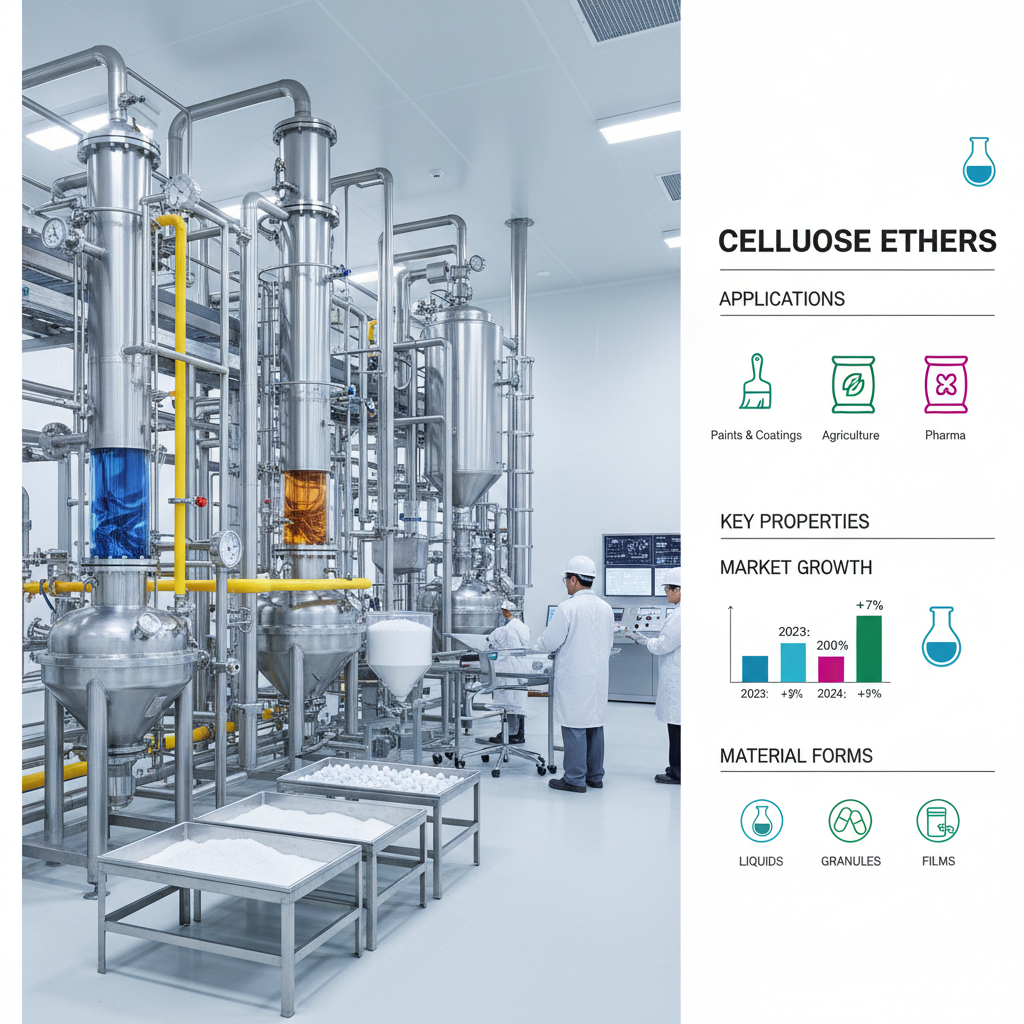
Choosing the Right Cellulose Ether: Key Considerations
Selecting the optimal cellulose ether requires careful consideration of several factors, including the desired functionality, the specific application, compatibility with other ingredients, and regulatory requirements. Viscosity, substitution degree, and particle size are important parameters to evaluate. Working with a reputable supplier like Youngcel can provide valuable technical support and ensure you receive a high-quality product tailored to your specific needs.
Conclusion: Cellulose Ethers – Versatile Polymers for a Sustainable Future
Cellulose ethers represent a versatile class of polymers offering a wide range of functionalities across diverse industries. Their sustainability, biocompatibility, and excellent performance characteristics make them invaluable ingredients in countless formulations. By understanding the different types of cellulose ethers and their specific applications, you can unlock their full potential and achieve optimal results. Youngcel is your trusted partner for high-quality cellulose ether solutions.
Frequently Asked Questions (FAQs)
What are the environmental benefits of using cellulose ethers?
Cellulose ethers are derived from cellulose, a renewable resource found in plants. They are biodegradable and non-toxic, minimizing their environmental impact compared to synthetic polymers. Their production processes are also becoming increasingly sustainable, with a focus on responsible sourcing and reduced energy consumption. Utilizing cellulose ethers aligns with eco-friendly practices and contributes to a more sustainable future.
How do I store cellulose ethers to maintain their quality?
Cellulose ethers should be stored in a cool, dry place, away from direct sunlight and moisture. Keep containers tightly sealed to prevent absorption of atmospheric moisture, which can affect their viscosity and performance. Proper storage extends the shelf life and ensures the cellulose ether retains its desired properties. Avoid storing them near strong oxidizing agents or strong acids.
What is the typical viscosity range for cellulose ether solutions?
The viscosity of cellulose ether solutions varies significantly depending on the type of cellulose ether, its concentration, molecular weight, and the specific grade. Viscosity is typically measured in centipoise (cP) or milliPascal-seconds (mPa·s). The range can span from a few cP for low-viscosity grades to several thousand cP for high-viscosity formulations. Youngcel provides detailed viscosity specifications for each of its cellulose ether products.
Are cellulose ethers compatible with all other ingredients?
While cellulose ethers are generally compatible with a wide range of ingredients, compatibility testing is always recommended. Certain ingredients, such as multivalent cations (e.g., calcium, magnesium), can interact with some cellulose ethers, potentially reducing their viscosity or causing precipitation. It's crucial to conduct preliminary tests to ensure compatibility and avoid unwanted interactions in your specific formulation.
-
Industrial Guide to High Performance Ceramic Adhesives UseNewsApr.16,2026
-
Ultimate Guide to Choosing the Right Cement Wall PaintNewsApr.09,2026
-
Comprehensive Guide to Cement Thickeners for Construction and Oil DrillingNewsApr.07,2026
-
Optimizing Construction with Advanced Cement Mortar Additive SolutionsNewsApr.04,2026
-
Understanding Cement Glue for Construction and DIY ProjectsNewsMar.31,2026
-
Effective Cement Dissolver Chemical Solutions for Construction and IndustryNewsMar.28,2026