



Understanding Cellulose Glue: A Comprehensive Guide
Cellulose glue, a versatile and eco-friendly adhesive, is gaining prominence across numerous industries. Derived from plant cellulose, it offers a sustainable alternative to traditional petroleum-based glues. This article dives deep into the properties, applications, benefits, and future trends of cellulose glue, providing valuable insights for manufacturers, researchers, and anyone interested in sustainable adhesive solutions. We’ll explore its diverse uses and why it’s becoming a preferred choice for a greener future.
What is Cellulose Glue?
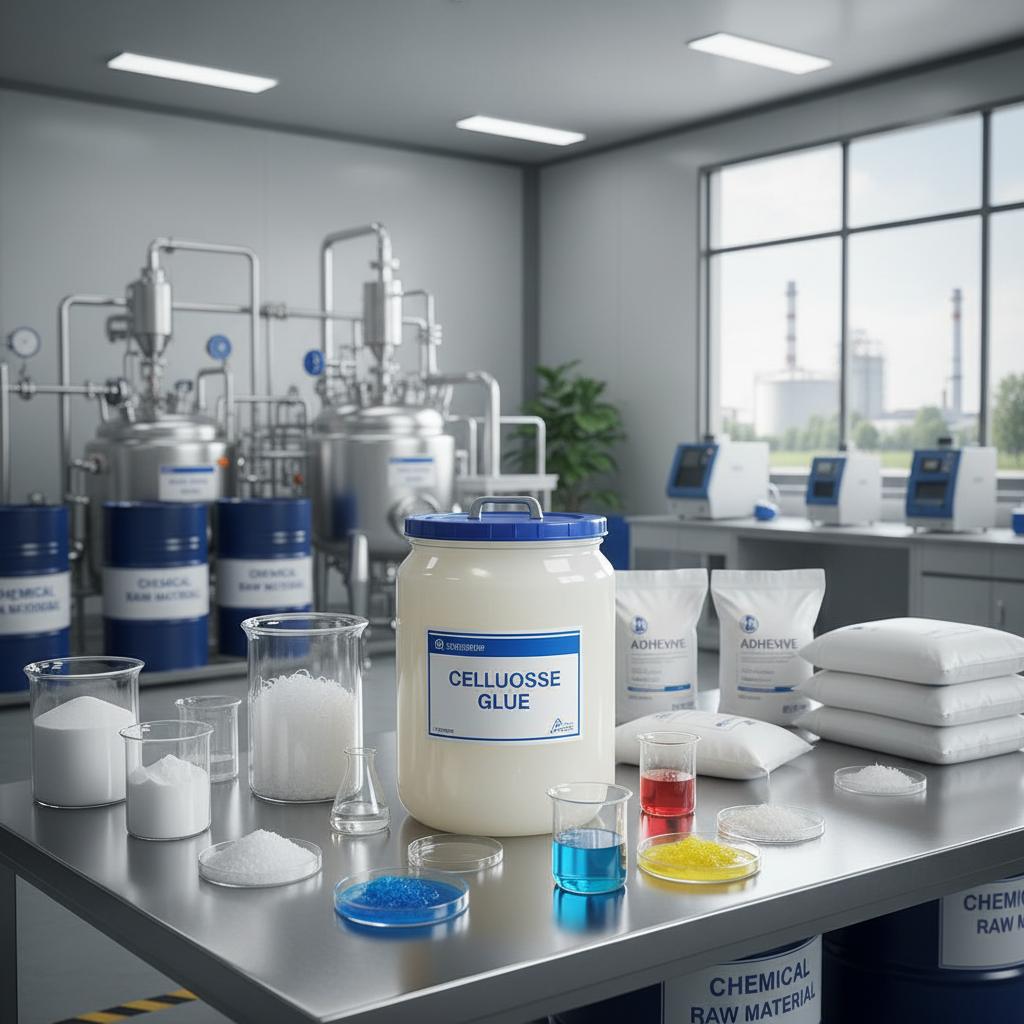
Cellulose glue is a bio-based adhesive created from cellulose, the most abundant organic polymer on Earth. It’s typically produced by chemically modifying cellulose sourced from wood pulp or other plant materials. This modification enhances its adhesive properties, making it suitable for a wide array of applications. The process often involves carboxymethylation, creating carboxymethyl cellulose (CMC), a common form of cellulose glue. It’s prized for being non-toxic, biodegradable, and offering good adhesion to various substrates. Youngcel specializes in providing high-quality cellulose glue solutions tailored to diverse industrial needs.
Key Highlights: Cellulose glue is a bio-based adhesive created from cellulose, making it a sustainable and eco-friendly alternative to traditional adhesives.
The Diverse Applications of Cellulose Glue
Cellulose glue boasts a remarkable range of applications, spanning from packaging and paper production to textile and construction industries. In packaging, it serves as an excellent adhesive for corrugated cardboard and paperboard boxes. The textile industry utilizes it for fabric finishing and non-woven bonding. Construction benefits from its use in gypsum board lamination and wallpaper paste. Furthermore, it's found in specialized applications like bookbinding, adhesives for ceramics, and even pharmaceutical formulations. Its versatility is a key driver of its growing popularity.
Key Application Areas:
• Packaging (corrugated cardboard, paperboard)
• Textiles (fabric finishing, non-woven bonding)
• Construction (gypsum board, wallpaper paste)
• Bookbinding and Ceramics
Cellulose Glue vs. Traditional Adhesives: A Comparative Analysis
Compared to conventional adhesives like polyvinyl acetate (PVA) and epoxy resins, cellulose glue offers significant advantages in terms of sustainability and environmental impact. While PVA relies on petroleum-based resources, cellulose glue is derived from renewable plant sources. Epoxy resins, while strong, often contain harmful chemicals. Cellulose glue is non-toxic and biodegradable, reducing its overall environmental footprint. However, traditional adhesives often exhibit higher initial tack and water resistance, areas where ongoing research is improving cellulose glue formulations. Youngcel is at the forefront of developing enhanced cellulose glue solutions to bridge this performance gap.
The Future of Cellulose Glue: Innovations and Trends
The future of cellulose glue is bright, with ongoing research focused on enhancing its properties and expanding its applications. Key areas of innovation include improving water resistance through novel chemical modifications, increasing its adhesive strength for demanding applications, and reducing production costs to make it more competitive with traditional adhesives. There is also a growing focus on developing cellulose-based adhesives for specialized industries, such as aerospace and automotive. Youngcel is actively involved in these advancements, driving the evolution of sustainable adhesive technology.
Choosing the Right Cellulose Glue: Key Considerations
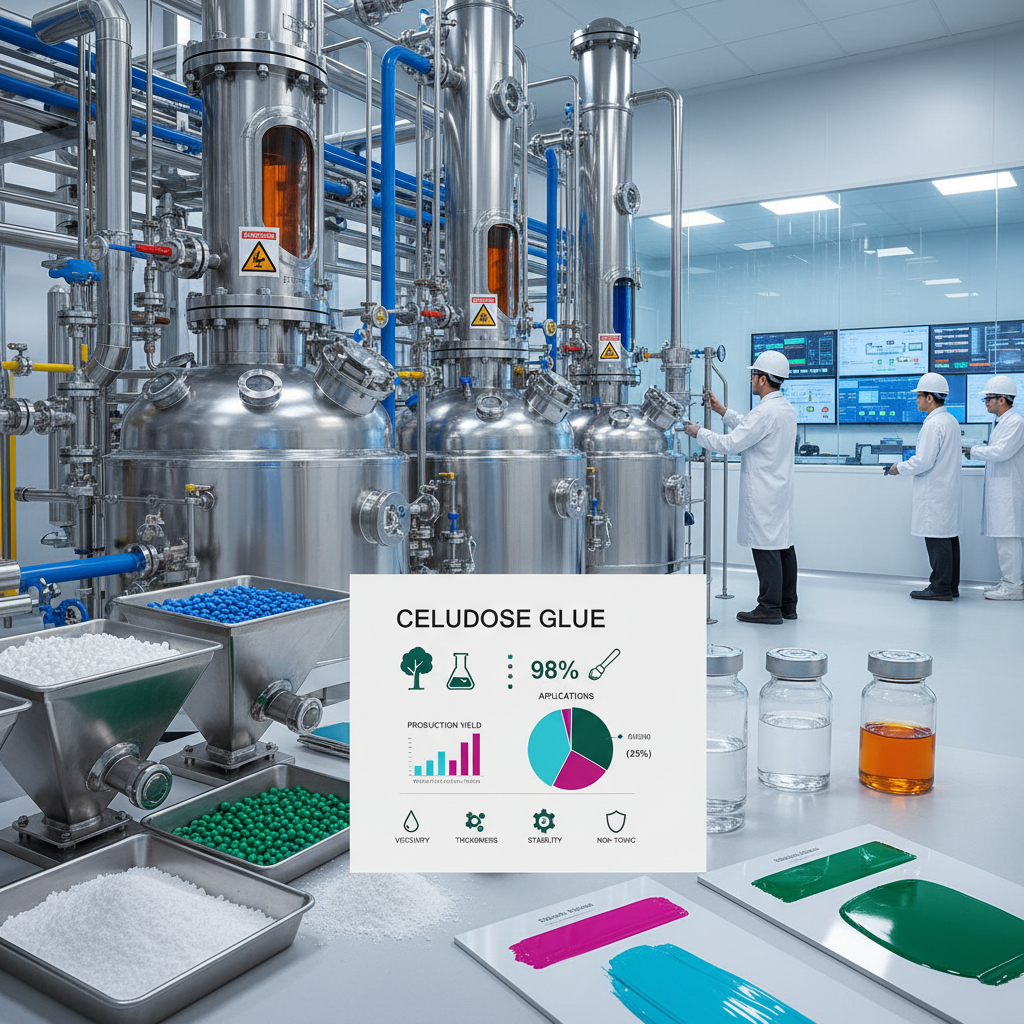
Selecting the appropriate cellulose glue requires careful consideration of your specific application needs. Factors to consider include the type of substrate, the required bond strength, and the environmental conditions the adhesive will be exposed to. Viscosity, pH level, and solid content are also important parameters. Youngcel offers a comprehensive range of cellulose glue formulations and provides expert technical support to help you choose the optimal solution for your project.
Conclusion: A Sustainable Adhesive Solution
Cellulose glue represents a significant advancement in adhesive technology, offering a sustainable, eco-friendly alternative to traditional options. Its versatility and continually improving performance make it an increasingly attractive choice for a wide range of industries. By embracing cellulose-based adhesives like those offered by Youngcel, businesses can reduce their environmental impact and contribute to a more sustainable future.
Frequently Asked Questions (FAQs)
What is the shelf life of cellulose glue?
The shelf life of cellulose glue varies depending on the formulation and storage conditions. Generally, it can last for 12-24 months when stored in a cool, dry place, away from direct sunlight. Proper sealing of the container is crucial to prevent moisture absorption and maintain its adhesive properties. It's always recommended to check the product label for specific shelf life information provided by the manufacturer. Visually inspect the glue before use; if it has thickened excessively or shows signs of spoilage, it should not be used.
Is cellulose glue suitable for outdoor applications?
While standard cellulose glue may not be ideal for prolonged outdoor exposure due to its susceptibility to moisture, specialized formulations with enhanced water resistance are available. These modified cellulose glues are suitable for outdoor applications, such as packaging intended for temporary outdoor storage or certain construction adhesives. It's important to select a formulation specifically designed for outdoor use and to follow the manufacturer’s recommendations regarding application and exposure conditions.
How does cellulose glue compare to PVA in terms of adhesion?
PVA glue generally offers stronger initial tack and faster setting times compared to standard cellulose glue. However, advancements in cellulose glue formulations are steadily closing this gap. Modified cellulose glues with improved bonding properties are now available that provide comparable adhesion to PVA for many applications. Cellulose glue also excels in applications where biodegradability and sustainability are paramount. The choice between the two depends on the specific requirements of the project and the relative importance of different performance characteristics.
Is cellulose glue safe for use in food packaging?
Certain grades of cellulose glue are specifically formulated and approved for use in food packaging applications, adhering to stringent safety regulations. These grades are typically made from highly purified cellulose and meet requirements set by organizations like the FDA. It's crucial to ensure that the cellulose glue used for food packaging is certified as food-grade and complies with all applicable regulations to ensure consumer safety.
-
Industrial Guide to High Performance Ceramic Adhesives UseNewsApr.16,2026
-
Ultimate Guide to Choosing the Right Cement Wall PaintNewsApr.09,2026
-
Comprehensive Guide to Cement Thickeners for Construction and Oil DrillingNewsApr.07,2026
-
Optimizing Construction with Advanced Cement Mortar Additive SolutionsNewsApr.04,2026
-
Understanding Cement Glue for Construction and DIY ProjectsNewsMar.31,2026
-
Effective Cement Dissolver Chemical Solutions for Construction and IndustryNewsMar.28,2026