



Understanding Celulosa: A Deep Dive into its Applications and Sources
Celulosa, or cellulose, is the most abundant organic polymer on Earth. It’s the primary structural component of plant cell walls and forms the backbone of many materials we rely on daily. From paper and textiles to pharmaceuticals and even biodegradable plastics, celulosa plays a crucial role in countless industries. This article will explore the properties, sources, applications, and future trends surrounding this essential biopolymer. Understanding the versatility of cellulosa unlocks opportunities for sustainable innovation across various sectors.
The Chemical Composition and Properties of Celulosa
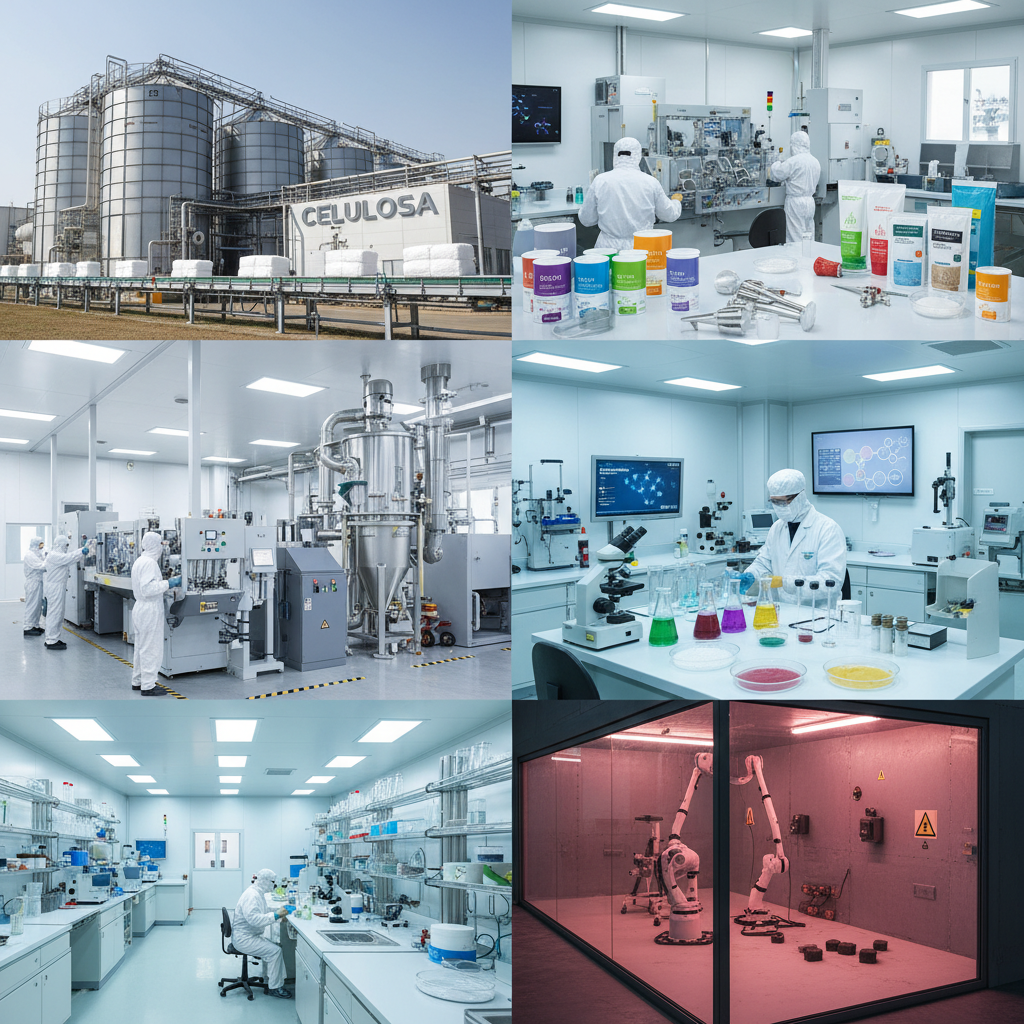
Celulosa is a linear polysaccharide consisting of hundreds to thousands of β(1→4) linked D-glucose units. This linear structure allows for strong intermolecular hydrogen bonding, making cellulosa highly crystalline and giving it its remarkable strength and rigidity. Importantly, cellulosa is insoluble in water and most organic solvents, requiring special treatments for processing. It’s also a chiral molecule, meaning it exists in different forms. The properties of cellulosa, like degree of polymerization and crystallinity, vary depending on its source and processing method, impacting its suitability for specific applications. Youngcel specializes in tailoring cellulosa properties for diverse industrial needs.
Key Highlights: Celulosa’s strength and rigidity stem from its unique molecular structure and intermolecular hydrogen bonding. It’s a versatile material with properties tailored through processing.
Sources of Celulosa: From Plants to Microorganisms
While traditionally sourced from plants, cellulosa production is expanding to include microbial fermentation. Wood pulp, cotton linters, and agricultural residues (like corn stover and wheat straw) are the most common plant-based sources. Microbial cellulosa, produced by bacteria like Gluconacetobacter xylinus, offers unique advantages like high purity and controlled fiber structure. The sustainability of cellulosa production is a growing focus, driving research into efficient and environmentally friendly sourcing methods. Youngcel is committed to responsible sourcing and sustainable production practices.
Cellulosa Sourcing Methods:
• Wood Pulp: Traditional, widely available, often from sustainably managed forests.
• Cotton Linters: High purity, byproduct of cotton processing.
• Agricultural Residues: Sustainable, utilizes waste streams.
• Microbial Fermentation: High purity, controlled structure, potential for scalability.
Diverse Applications of Celulosa Across Industries
The applications of celulosa are incredibly diverse. In the paper industry, it’s the fundamental component of paper and cardboard. In the textile industry, it’s used to create rayon and lyocell fabrics. The pharmaceutical industry utilizes microcrystalline cellulosa as a binder and filler in tablets. Moreover, cellulosa derivatives like carboxymethyl cellulose (CMC) find applications as thickeners, stabilizers, and emulsifiers in food and cosmetics. Emerging applications include biodegradable packaging, composite materials, and even biofuel production.
The Future of Celulosa: Innovation and Sustainability
The future of cellulosa looks bright, with ongoing research focused on enhancing its properties and expanding its applications. Nanocellulosa, with its exceptional strength and surface area, is a particularly promising area of development. Furthermore, advancements in enzymatic hydrolysis are making cellulosa more accessible for biofuel production. The drive towards sustainability is also fueling innovation in alternative sourcing methods and biodegradable cellulosa-based materials. Youngcel is actively involved in these advancements, driving the development of next-generation cellulosa products.
Conclusion: Celulosa – A Cornerstone of Sustainable Innovation
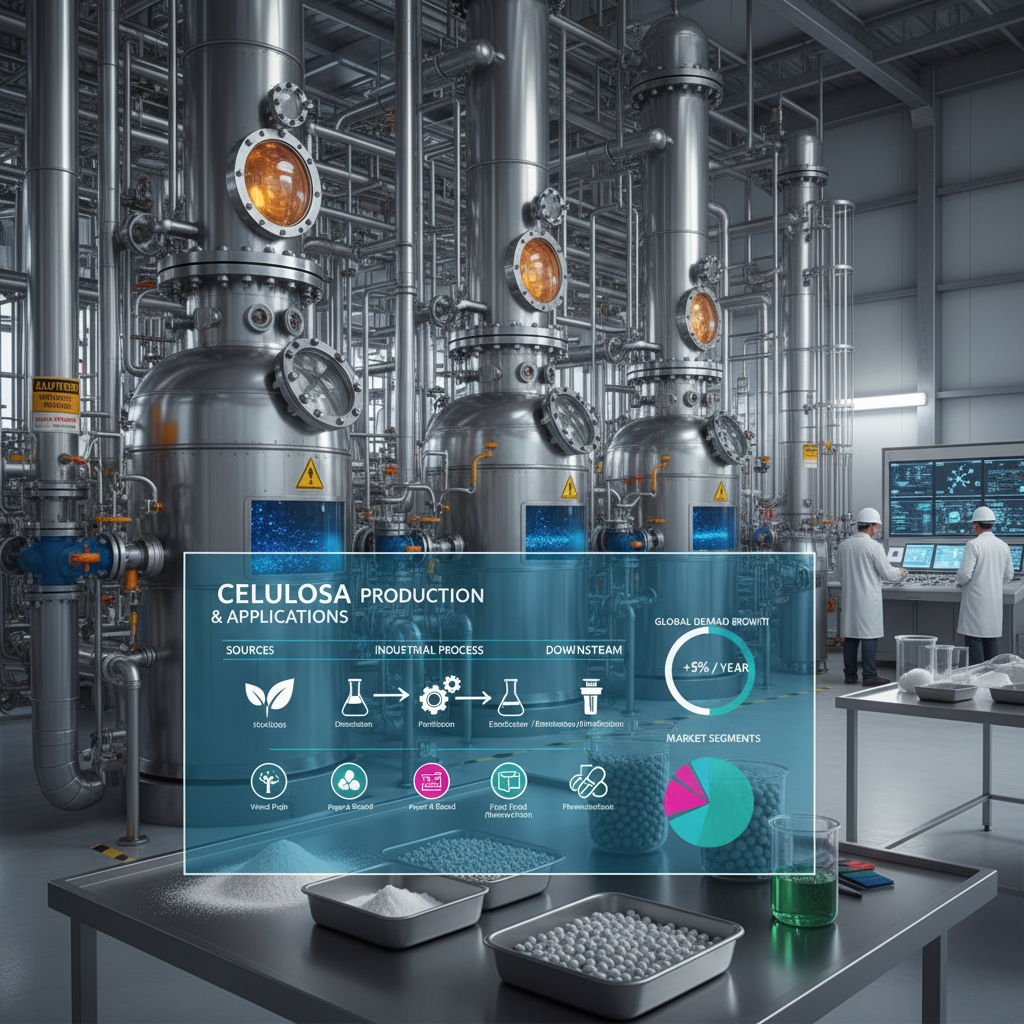
Celulosa is an indispensable biopolymer with a wide range of applications and a promising future. Its renewability, biodegradability, and versatility make it a key component in the transition towards a more sustainable and circular economy. Youngcel is dedicated to harnessing the power of cellulosa to deliver innovative and environmentally responsible solutions.
Frequently Asked Questions (FAQs)
What are the environmental benefits of using cellulosa-based products?
Cellulosa is derived from renewable plant sources, making it a sustainable alternative to petroleum-based materials. Cellulosa-based products are often biodegradable and compostable, reducing landfill waste. The production of cellulosa can also contribute to carbon sequestration, as plants absorb carbon dioxide from the atmosphere during growth. Choosing cellulosa supports a circular economy and minimizes environmental impact.
What is nanocellulosa, and what are its potential applications?
Nanocellulosa refers to cellulosa materials with nanoscale dimensions. It boasts exceptional strength, high surface area, and tunable properties. Potential applications include high-performance composites, lightweight packaging, biomedical materials, and advanced filtration systems. Nanocellulosa is a rapidly developing field with the potential to revolutionize various industries.
How is cellulosa processed for different applications?
Cellulosa processing varies depending on the desired application. Mechanical pulping separates fibers for paper production. Chemical pulping dissolves cellulosa for rayon and lyocell. Microcrystalline cellulosa is produced through hydrolysis and purification. Nanocellulosa requires specialized methods like high-pressure homogenization or enzymatic treatment. Youngcel employs advanced processing techniques to tailor cellulosa properties to meet specific customer needs.
Is cellulosa biodegradable in all environments?
While cellulosa is inherently biodegradable, the rate of decomposition depends on environmental conditions. Cellulosa degrades more readily in aerobic environments with sufficient moisture and microbial activity. In anaerobic conditions, such as landfills, degradation is much slower. Composting provides an optimal environment for cellulosa biodegradation.
-
Industrial Guide to High Performance Ceramic Adhesives UseNewsApr.16,2026
-
Ultimate Guide to Choosing the Right Cement Wall PaintNewsApr.09,2026
-
Comprehensive Guide to Cement Thickeners for Construction and Oil DrillingNewsApr.07,2026
-
Optimizing Construction with Advanced Cement Mortar Additive SolutionsNewsApr.04,2026
-
Understanding Cement Glue for Construction and DIY ProjectsNewsMar.31,2026
-
Effective Cement Dissolver Chemical Solutions for Construction and IndustryNewsMar.28,2026