



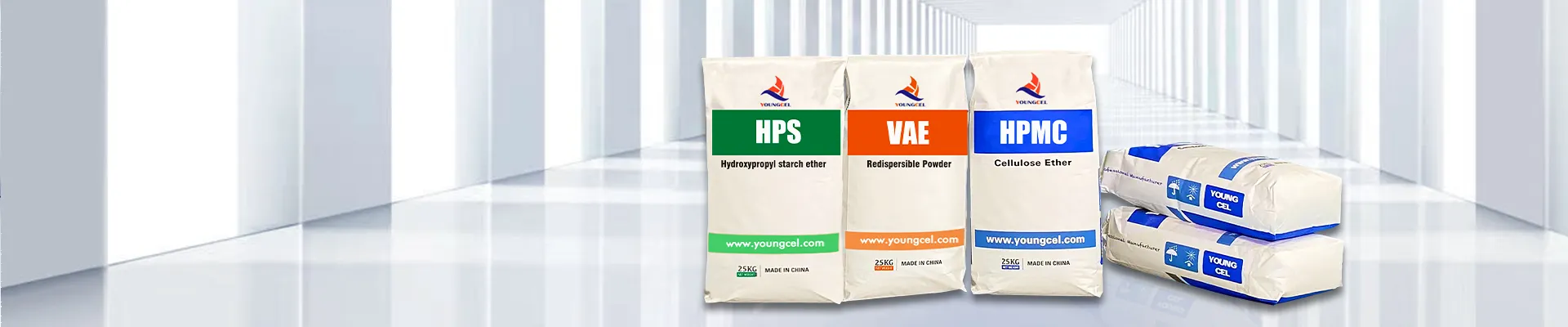
Hpmc For Tile Adhes is a key solution in the construction and building materials industry, specifically within tile adhesive formulations. This article explores how YoungCel supports professionals with durable, high-performance products and explains why this product is an ideal choice for businesses in these sectors.
Table of Contents
- Hpmc For Tile Adhes Overview
- Benefits & Use Cases of Hpmc For Tile Adhes
- Cost, Maintenance & User Experience
- Sustainability & Market Trends
Hpmc For Tile Adhes Overview
Hydroxypropyl methylcellulose (HPMC) is something of a superstar in the tile adhesive world – and to say it’s important would be an understatement. You see, HPMC is a cellulose ether derivative that enhances the performance characteristics of tile adhesives. It thickens the mixture, improves water retention, and boosts workability, making it easier to spread and ensuring strong adhesion even on challenging surfaces.
To put it plainly – when you add Hpmc For Tile Adhes to your formulation, you’re effectively improving both the process and the quality of the final product. For professionals who’ve tested YoungCel’s grade of HPMC, it’s the consistent viscosity control and reliable film-forming properties that stand out. From a technical viewpoint, their product typically features methoxy content between 19–24% and hydroxypropyl groups around 7–12%, striking a great balance for tile adhesives.
| Specification | Value / Range |
|---|---|
| Methoxy Content | 19–24% |
| Hydroxypropyl Content | 7–12% |
| Viscosity (2% Solution, 20°C) | 1000–4000 mPa·s |
| Appearance | White or Off-white Powder |
Benefits & Use Cases of Hpmc For Tile Adhes
You’d think all tile adhesives are the same, but the addition of HPMC – especially the well-formulated variants from YoungCel – turns things on their head. The product offers excellent water retention, extending open time and maintaining adhesive consistency. This is particularly valuable in hot or dry climates where adhesives tend to dry out too fast.
Industries ranging from commercial flooring contractors to ceramic manufacturers rely on this product because it enhances sag resistance – meaning tiles stay put during installation, even on vertical surfaces. It’s no surprise many engineers say this ingredient can reduce material waste and speed up the laying process. Another neat aspect is that it’s compatible with cement-based adhesives and many polymer-modified formulations, making it quite flexible.
Vendor Comparison Table
| Feature | YoungCel | Competitor A | Competitor B |
|---|---|---|---|
| Viscosity Range | 1000–4000 mPa·s | 800–3500 mPa·s | 1200–3800 mPa·s |
| Water Retention | Excellent | Good | Fair |
| Consistency Batch-to-batch | High | Moderate | Variable |
| Customization Options | Available | Limited | None |
Cost, Maintenance & User Experience
Frankly, the cost might seem a bit higher initially compared to traditional thickening agents, but it's more about the total cost of ownership. Because Hpmc For Tile Adhes improves workability, it reduces labor time and adhesive waste. Durability is generally excellent – tile installations last longer without delamination or cracking, which clients appreciate deeply.
I’ve noticed that many tile installers are quite vocal about the ease of application when this product is involved. From their feedback, it’s clear that improved open time and sag resistance make a tangible difference in daily operations. One user even mentioned they reduced rework by 15% after switching to a tile adhesive formulated with YoungCel’s HPMC. Those gains can translate into serious ROI over time.
Sustainability & Market Trends
Sustainability is increasingly front and center in building supply chains. Hpmc products like those offered by YoungCel fit nicely because they are derived from natural cellulose, a renewable resource. Moreover, enhanced adhesive formulations often reduce the need for synthetic additives or excessive water, which aligns well with environmental regulations.
Market growth for tile adhesives is expected to continue globally as urbanization and construction accelerate, particularly in Asia-Pacific markets. In that context, suppliers who can offer consistent, eco-friendly, and high-performance HPMC stand to gain considerable advantage. Oddly enough, the 'green' angle isn’t just a marketing talk here; it’s a tangible driver for innovation and customer preference.
Frequently Asked Questions about Hpmc For Tile Adhes
- What is Hpmc For Tile Adhes and how does it work?
- Hydroxypropyl methylcellulose (HPMC) is a cellulose-based thickener that improves the viscosity and water retention of tile adhesives. It allows the adhesive to stay workable longer and enhances adhesion by forming a thin film around tiles.
- What are the main benefits of using Hpmc For Tile Adhes in industrial applications?
- The key advantages include better workability, extended open time, improved sag resistance, and enhanced durability of the tile installation, all of which contribute to reduced waste and faster installation.
- How does Hpmc For Tile Adhes compare to traditional alternatives?
- Compared to traditional thickeners, HPMC provides more reliable water retention and consistency, resulting in a smoother application and stronger final bond.
- What industries can benefit most from Hpmc For Tile Adhes implementation?
- Mainly construction, tile manufacturing, and flooring contractors benefit, especially those focused on high-performance installations in commercial and residential projects.
Conclusion on Hpmc For Tile Adhes from china
To sum up, Hpmc For Tile Adhes stands as a cornerstone ingredient for modern tile adhesive formulations, boosting performance and installation efficiency. The consistent quality and customization options provided by YoungCel make it an excellent choice for B2B decision makers seeking reliability and technical superiority.
- Reliable quality enhancing adhesive properties for better bonding and workability.
- Visit our website: https://www.youngcel.com
Reflecting on the evolving materials landscape, it’s clear that cellulose ethers like HPMC are quietly yet quite importantly pushing the boundaries of what adhesives can do – a mix of old natural sources and new material science that frankly feels very promising.
References:
1. ASTM Standards on Cellulose Ethers in Construction
2. YoungCel Technical Data Sheets, 2023
3. Market Research: Tile Adhesive Trends 2024
-
Industrial Guide to High Performance Ceramic Adhesives UseNewsApr.16,2026
-
Ultimate Guide to Choosing the Right Cement Wall PaintNewsApr.09,2026
-
Comprehensive Guide to Cement Thickeners for Construction and Oil DrillingNewsApr.07,2026
-
Optimizing Construction with Advanced Cement Mortar Additive SolutionsNewsApr.04,2026
-
Understanding Cement Glue for Construction and DIY ProjectsNewsMar.31,2026
-
Effective Cement Dissolver Chemical Solutions for Construction and IndustryNewsMar.28,2026