




Cellulose Ether for Wall Putty: A Comprehensive Guide
Wall putty is a crucial component in achieving a smooth and flawless finish for interior and exterior walls. A key ingredient in modern wall putty formulations is cellulose ether. This article will delve into the benefits of using cellulose ether in wall putty, its different types, how it impacts performance, and why Youngcel provides high-quality solutions. Understanding the role of cellulose ether is essential for manufacturers and applicators alike to ensure superior wall finishing results.
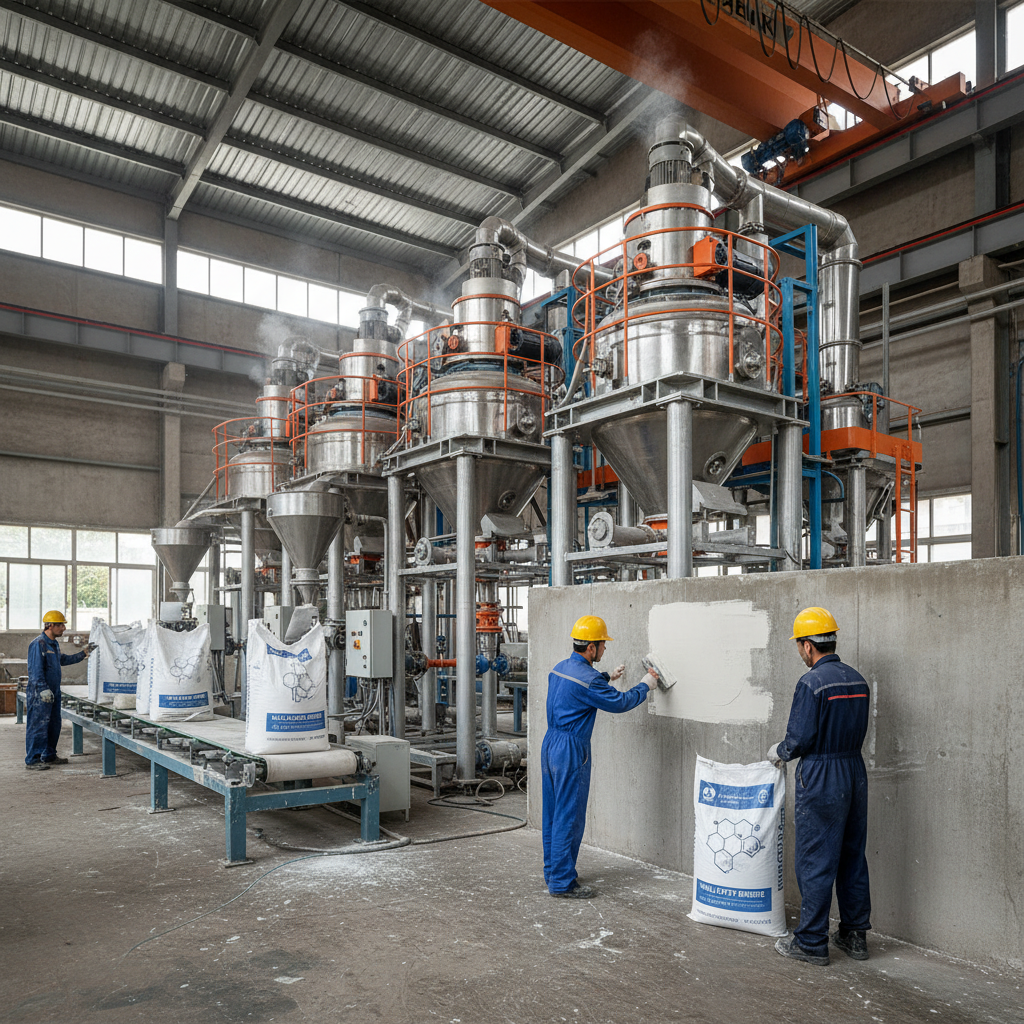
Why Cellulose Ether is Essential in Wall Putty
Cellulose ether acts as a vital additive in wall putty, significantly improving its workability, adhesion, and overall performance. It primarily functions as a thickener, water retention agent, and binder. By increasing viscosity, cellulose ether prevents the putty from sagging during application, especially on vertical surfaces. Its excellent water retention properties slow down the drying process, allowing for better hydration of the cement and improved bond strength. Furthermore, it enhances the putty's consistency and spreadability, making it easier to apply evenly and efficiently. Without cellulose ether, wall putty would be prone to cracking, poor adhesion, and a less-than-ideal finish. Youngcel’s cellulose ethers are specifically designed to optimize these properties.
Key Benefits: Improved workability, enhanced adhesion, reduced cracking, and optimal water retention – all contributing to a superior wall finish.
Types of Cellulose Ether Used in Wall Putty
Different types of cellulose ether offer varying properties, making them suitable for different wall putty formulations. The most commonly used types include Hydroxypropyl Methylcellulose (HPMC), Hydroxyethyl Methylcellulose (HEMC), and Methylcellulose (MC). Each type differs in its methoxyl and hydroxyalkyl group content, influencing its water solubility, thickening efficiency, and surface activity. HPMC is generally preferred for its superior water retention and thickening ability, leading to excellent workability and reduced cracking. HEMC provides good compatibility with various additives and offers enhanced adhesion. MC is a cost-effective option, though it may exhibit lower water retention compared to HPMC and HEMC.
Cellulose Ether Comparison:
• HPMC: Superior water retention, excellent thickening.
• HEMC: Good compatibility, enhanced adhesion.
• MC: Cost-effective, lower water retention.
Cellulose Ether for Wall Putty: Performance Characteristics
The performance of cellulose ether in wall putty is heavily influenced by its viscosity, degree of substitution, and particle size. Higher viscosity cellulose ethers provide greater thickening power, while a higher degree of substitution enhances water solubility and compatibility. A finer particle size ensures quick and uniform dispersion within the putty mixture, preventing lumps and ensuring consistent performance. Selecting the right grade of cellulose ether depends on the specific requirements of the wall putty formulation and the desired application characteristics.
Choosing the Right Cellulose Ether: Youngcel's Solutions
Youngcel specializes in providing high-quality cellulose ethers specifically tailored for wall putty applications. We offer a range of HPMC, HEMC, and MC grades with varying viscosity, substitution levels, and particle sizes to meet diverse formulation requirements. Our products are rigorously tested to ensure consistent performance, excellent water retention, and superior adhesion. We also provide technical support to assist our customers in selecting the optimal cellulose ether for their specific needs.
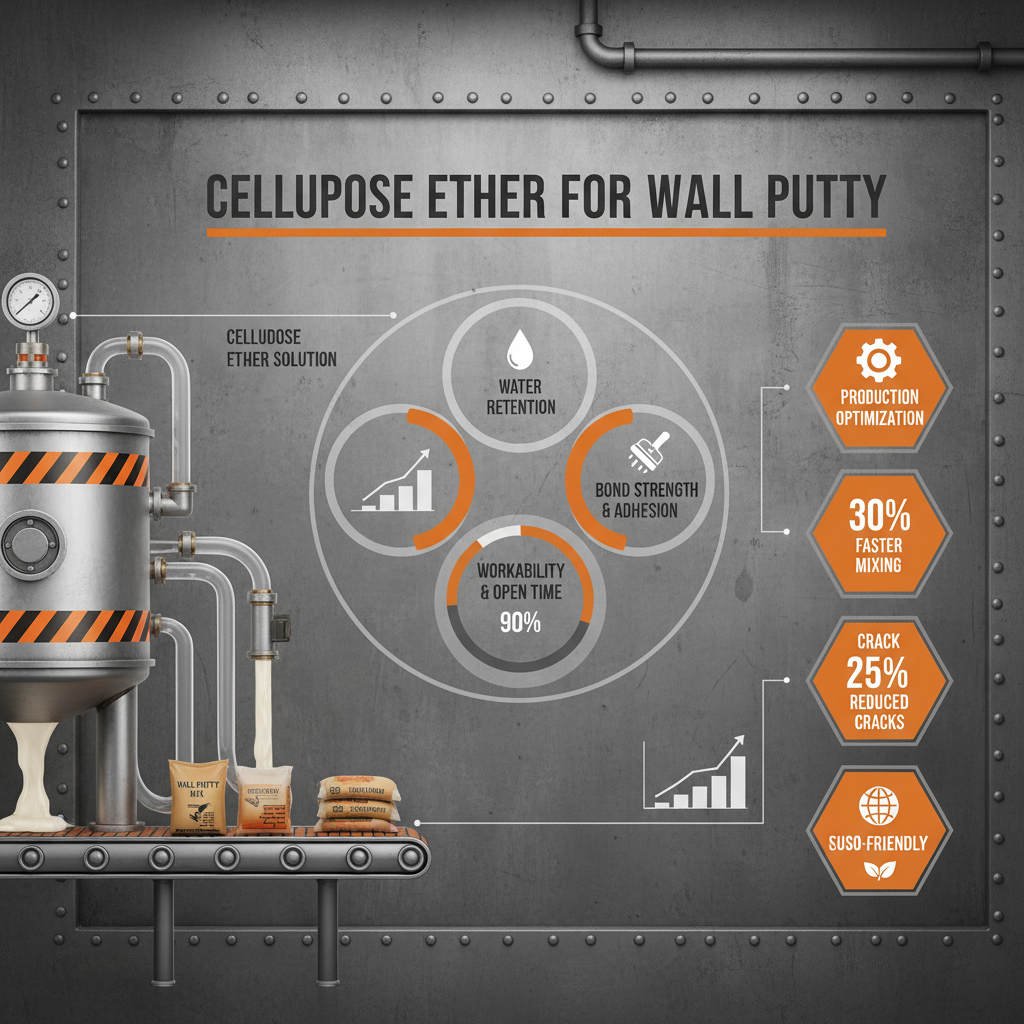
Application Guidelines for Cellulose Ether in Wall Putty
When incorporating cellulose ether into wall putty, it's crucial to follow proper mixing procedures. Dry blending cellulose ether with cement and other dry ingredients before adding water ensures uniform dispersion. Slowly add water while continuously mixing to avoid lumps. Allow the mixture to slake for a period (typically 5-10 minutes) to allow the cellulose ether to fully hydrate. The final putty consistency should be smooth, creamy, and free from lumps. Using the correct dosage of cellulose ether, as recommended by Youngcel, is essential to achieve optimal performance.
Conclusion: Enhancing Wall Putty Performance with Cellulose Ether
The use of cellulose ether is paramount in formulating high-performance wall putty. By improving workability, adhesion, and water retention, it ensures a smooth, durable, and flawless finish. Youngcel provides a comprehensive range of cellulose ether solutions backed by technical expertise to help you achieve superior results. Investing in quality cellulose ether translates to improved product quality, reduced application costs, and increased customer satisfaction.
Frequently Asked Questions (FAQs)
What is the recommended dosage of cellulose ether in wall putty?
The optimal dosage of cellulose ether depends on the specific formulation and desired properties of the wall putty. Generally, a dosage of 0.5% to 2.0% by weight of cement is recommended. However, factors such as the type of cellulose ether, cement type, and other additives can influence the ideal dosage. Youngcel provides detailed dosage recommendations for each of our cellulose ether grades based on various wall putty formulations. It's best to conduct trials to determine the most effective dosage for your specific application.
How does cellulose ether affect the drying time of wall putty?
Cellulose ether slows down the drying time of wall putty by improving its water retention capacity. This extended open time allows for better hydration of the cement, resulting in improved bond strength and reduced cracking. However, excessive dosage can lead to prolonged drying times, potentially impacting application efficiency. Finding the right balance is crucial. Youngcel’s HPMC grades are specifically designed for optimal water retention without significantly extending drying times.
Can cellulose ether be used with different types of cement?
Yes, cellulose ether is compatible with various cement types, including Ordinary Portland Cement (OPC), Portland Pozzolana Cement (PPC), and blended cements. However, the performance may vary depending on the cement's fineness, chemical composition, and reactivity. It’s important to select a cellulose ether grade that is optimized for the specific cement type being used. Youngcel offers cellulose ethers designed to work effectively with a wide range of cement formulations.
What are the storage recommendations for cellulose ether?
Cellulose ether should be stored in a cool, dry, and well-ventilated area, away from direct sunlight, heat, and moisture. Exposure to humidity can cause clumping and reduce its effectiveness. Keep containers tightly closed to prevent contamination. Properly stored cellulose ether can maintain its quality and performance for up to two years.
-
Industrial Guide to High Performance Ceramic Adhesives UseNewsApr.16,2026
-
Ultimate Guide to Choosing the Right Cement Wall PaintNewsApr.09,2026
-
Comprehensive Guide to Cement Thickeners for Construction and Oil DrillingNewsApr.07,2026
-
Optimizing Construction with Advanced Cement Mortar Additive SolutionsNewsApr.04,2026
-
Understanding Cement Glue for Construction and DIY ProjectsNewsMar.31,2026
-
Effective Cement Dissolver Chemical Solutions for Construction and IndustryNewsMar.28,2026