




Cellulose Powder Prices: A Comprehensive Guide
Understanding cellulose powder prices can be complex, with fluctuations based on grade, quantity, and supplier. This article breaks down the factors influencing these prices, provides current market insights, and explains how to source high-quality cellulose powder from a reliable supplier like Youngcel. Whether you're in the food, pharmaceutical, or industrial sector, this guide will help you navigate the market effectively.
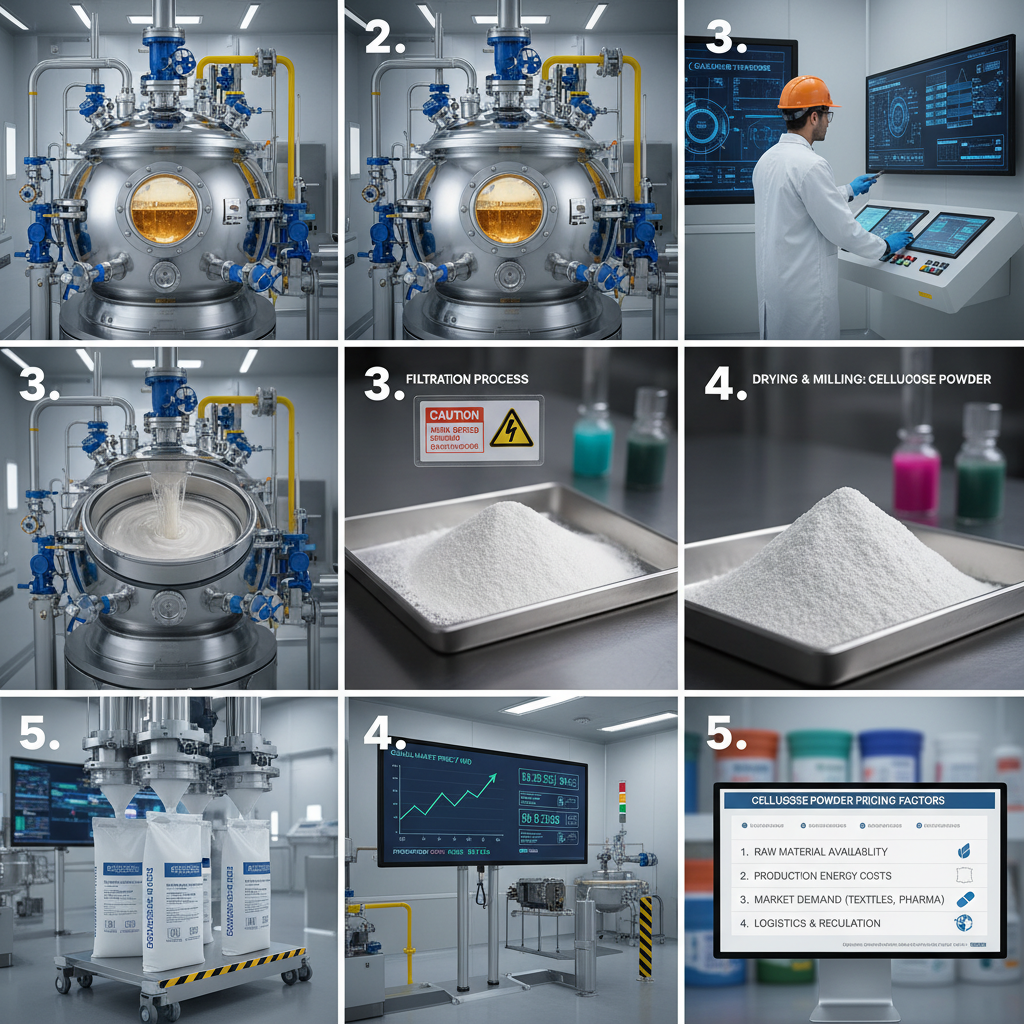
Factors Influencing Cellulose Powder Prices
Several key elements contribute to the final price of cellulose powder. The grade of cellulose (microcrystalline cellulose (MCC), powdered cellulose, carboxymethyl cellulose (CMC) etc.) is a primary factor. Higher purity grades and specialized modifications command premium pricing. Quantity ordered significantly impacts the per-unit cost – bulk purchases invariably result in lower prices. Manufacturing processes, including sourcing of raw materials (wood pulp or cotton linter) and production technology, also play a role. Finally, geographic location and transportation costs can influence prices, especially for international buyers.
Key Considerations: Grade, Quantity, Manufacturing, Location, and Transportation all impact the final price.
Current Market Trends in Cellulose Powder Prices
The cellulose powder market has experienced some volatility in recent years, influenced by global supply chain disruptions and increasing demand from the food and pharmaceutical industries. Currently (October 2024), the price range for common cellulose powder grades is as follows:
Choosing the Right Supplier: Youngcel’s Competitive Advantage
Selecting a reliable supplier is crucial for consistent quality and competitive cellulose powder prices. Youngcel offers several advantages:
- High-Quality Products: We adhere to strict quality control standards throughout the production process.
- Competitive Pricing: We leverage economies of scale and efficient manufacturing to offer competitive prices.
- Wide Range of Grades: We supply a comprehensive range of cellulose powder grades to meet diverse application requirements.
- Customization Options: We can tailor products to your specific needs.
- Reliable Logistics: We ensure timely and efficient delivery worldwide.

A Comparison of Cellulose Powder Grades
Different grades of cellulose powder are suited for distinct applications. Understanding these differences will help you choose the most cost-effective option for your needs. The following illustrates a comparison:
Conclusion: Optimizing Your Cellulose Powder Procurement
Successfully navigating cellulose powder prices requires a thorough understanding of market factors, grade-specific applications, and supplier capabilities. By partnering with a trusted provider like Youngcel, you can secure high-quality products at competitive prices, ensuring optimal performance and value for your business.
Frequently Asked Questions (FAQs)
What is the minimum order quantity (MOQ) for cellulose powder at Youngcel?
The minimum order quantity varies depending on the specific grade and packaging requirements. Generally, our MOQ is 1 metric ton, but we can accommodate smaller orders for certain specialty grades or for sample requests. We aim to be flexible and work with our clients to meet their individual needs. Contacting our sales team through our website will provide you with precise MOQ details for your specific inquiry. We understand that starting quantities can vary and strive to be accommodating to new clients.
How long is the lead time for cellulose powder orders?
Typical lead times for cellulose powder orders are 2-4 weeks, depending on the quantity and our current production schedule. For larger orders or customized specifications, the lead time may be slightly longer. We maintain a robust inventory of common grades to ensure prompt delivery whenever possible. You'll receive a precise delivery estimate when you place your order, allowing you to plan accordingly. We prioritize clear communication throughout the order process.
Does Youngcel offer custom packaging options for cellulose powder?
Yes, Youngcel offers a range of custom packaging options to meet your specific requirements. We can provide cellulose powder in various bag sizes (25kg, 500kg, 1000kg), and we can also accommodate specialized packaging requests such as palletization and labeling. Please discuss your packaging needs with our sales team when you place your order to ensure a seamless and tailored solution.
What quality certifications does Youngcel hold?
Youngcel is committed to maintaining the highest quality standards. We are ISO 9001:2015 certified, demonstrating our adherence to rigorous quality management systems. Furthermore, our cellulose powder products meet relevant industry standards, including food-grade and pharmaceutical-grade specifications where applicable. We provide comprehensive certificates of analysis (COAs) with each shipment to ensure transparency and traceability.
-
Industrial Guide to High Performance Ceramic Adhesives UseNewsApr.16,2026
-
Ultimate Guide to Choosing the Right Cement Wall PaintNewsApr.09,2026
-
Comprehensive Guide to Cement Thickeners for Construction and Oil DrillingNewsApr.07,2026
-
Optimizing Construction with Advanced Cement Mortar Additive SolutionsNewsApr.04,2026
-
Understanding Cement Glue for Construction and DIY ProjectsNewsMar.31,2026
-
Effective Cement Dissolver Chemical Solutions for Construction and IndustryNewsMar.28,2026