




Understanding Cement Chemical Additives and Their Impact
The construction industry relies heavily on the quality and performance of cement. However, raw cement often requires enhancements to meet specific project demands. This is where cement chemical additives play a crucial role. These additives are incorporated during the cement manufacturing process or added during mixing to modify its properties, improving workability, strength, durability, and other vital characteristics. This article will delve into the world of cement chemical additives, exploring their types, benefits, and applications. Choosing the right additive is key to ensuring the longevity and safety of any concrete structure.
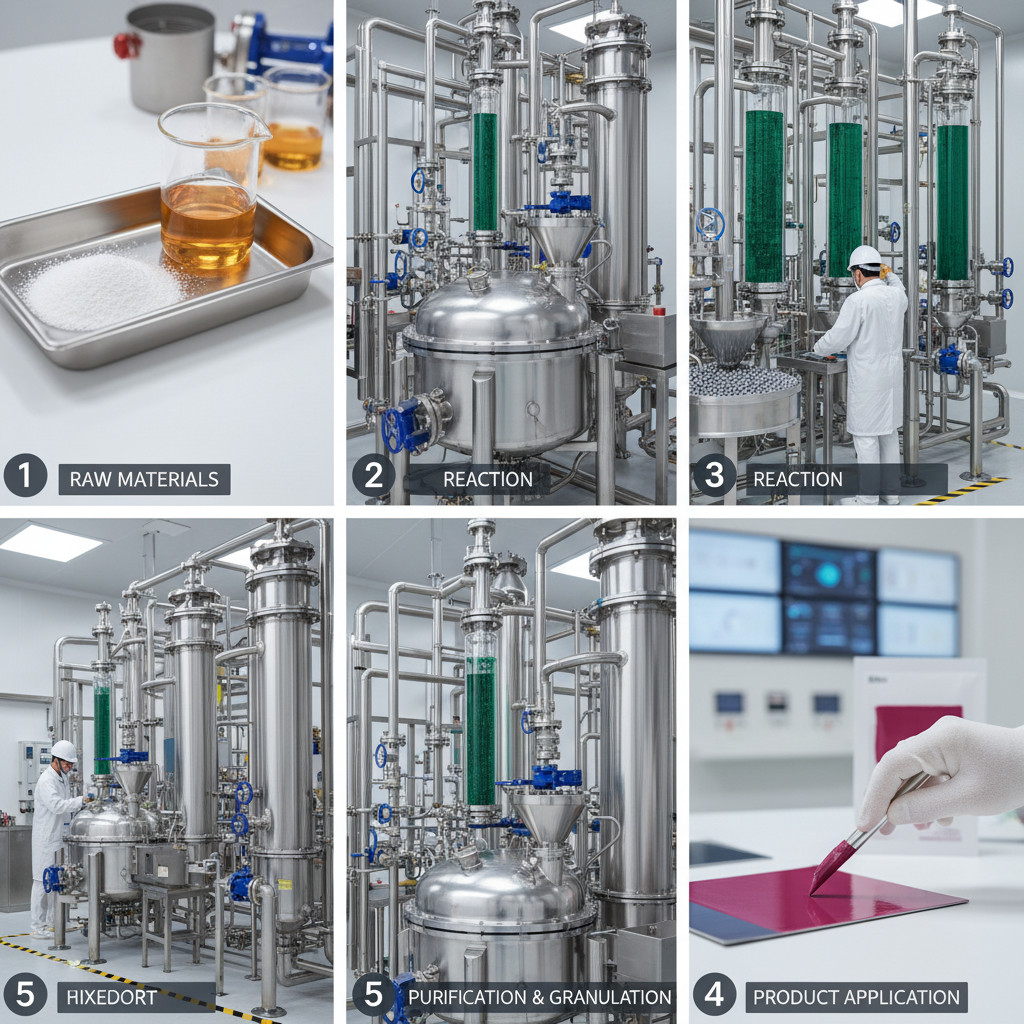
Types of Cement Chemical Additives
A wide range of cement chemical additives are available, each designed to achieve specific effects. Common categories include water reducers, air-entraining agents, accelerators, retarders, and superplasticizers. Water reducers enhance workability without increasing water content, leading to higher strength. Air-entraining agents create microscopic air bubbles for improved freeze-thaw resistance. Accelerators speed up the setting time, while retarders slow it down. Superplasticizers offer significant water reduction capabilities, resulting in high-performance concrete. Understanding the function of each additive is critical for proper selection. Youngcel offers a comprehensive range of these additives tailored to diverse construction needs.
Key Highlights: Additives are carefully selected based on the desired properties of the cement and the specific requirements of the construction project. The precise dosage and mixing methods are critical for maximizing their effectiveness.
The Benefits of Using Cement Chemical Additives
Employing cement chemical additives offers numerous benefits, including enhanced concrete strength, improved durability, increased workability, reduced permeability, and cost savings. Higher strength concrete allows for smaller structural elements, reducing material costs. Improved durability protects against weathering and chemical attack, extending the lifespan of structures. Increased workability simplifies placement and reduces labor costs. Reduced permeability minimizes water absorption, preventing corrosion of reinforcing steel. Ultimately, additives contribute to safer, more resilient, and cost-effective construction projects.
Benefits at a Glance:
• Enhanced Concrete Strength
• Improved Durability & Resistance to Environmental Factors
• Increased Workability & Reduced Labor Costs
• Reduced Permeability & Corrosion Protection
Water Reducing Agents: A Deep Dive into Cement Chemical Additives
Water reducing agents are among the most widely used cement chemical additives. They allow for the creation of concrete mixes with the same workability but with a lower water-cement ratio. This reduction in water content directly translates to increased strength and durability. There are different types of water reducers available, including lignosulfonates, hydroxycarboxylic acids, and polymers. Superplasticizers, a more potent form of water reducer, can achieve even greater water reduction, leading to ultra-high-performance concrete. The choice depends on the specific performance requirements of the project.
Applications Across the Construction Spectrum
Cement chemical additives find application in a wide range of construction projects. High-rise buildings benefit from the increased strength provided by superplasticizers. Infrastructure projects like bridges and tunnels rely on additives to enhance durability and resistance to environmental factors. Precast concrete elements require specific additives for optimized production and performance. Residential construction also utilizes additives for improved workability and aesthetics. The versatility of these chemicals makes them indispensable for modern construction practices.
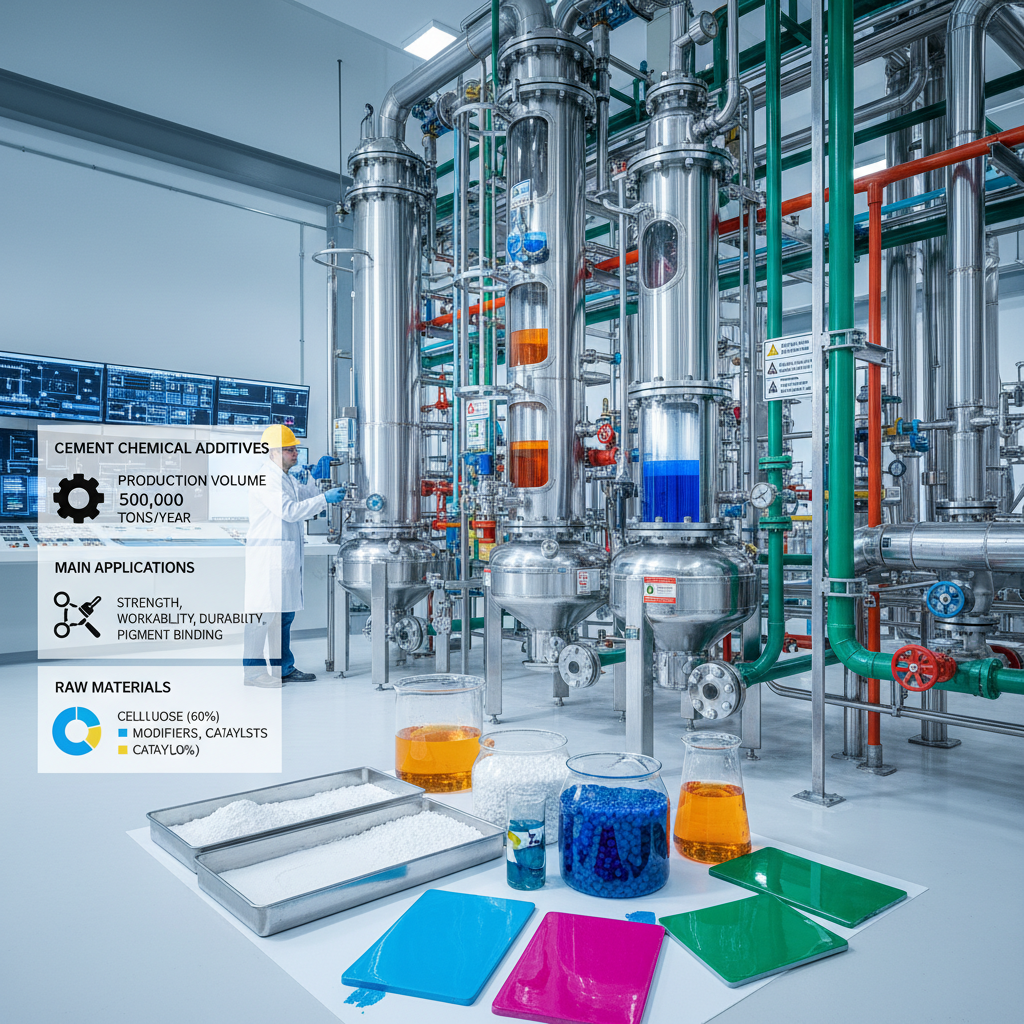
Selecting the Right Additive: Considerations and Expert Guidance
Choosing the appropriate cement chemical additive requires careful consideration of several factors, including the type of cement, desired concrete properties, environmental conditions, and cost constraints. It's crucial to consult with experts and conduct thorough testing to ensure compatibility and optimal performance. Youngcel provides technical support and customized solutions to help you select the ideal additives for your specific needs. We offer comprehensive testing and analysis services to ensure the best possible results.
Conclusion: Enhancing Construction with Chemical Innovation
Cement chemical additives are essential components of modern construction, enabling the creation of stronger, more durable, and more sustainable structures. By understanding their types, benefits, and applications, professionals can optimize concrete performance and achieve superior project outcomes. Youngcel is committed to providing high-quality additives and expert support to help you build a better future.
Frequently Asked Questions (FAQs)
What is the optimal dosage for cement chemical additives?
The optimal dosage varies significantly depending on the specific additive, the type of cement, the desired concrete properties, and environmental conditions. It's crucial to follow the manufacturer's recommendations and conduct trial mixes to determine the ideal dosage for your specific application. Overdosing can lead to adverse effects, such as segregation or reduced strength, while underdosing may not provide the desired benefits. Consulting with a concrete expert or Youngcel's technical team is highly recommended.
Are cement chemical additives environmentally friendly?
Many modern cement chemical additives are designed with environmental considerations in mind. Some additives can reduce cement consumption, lowering the carbon footprint of concrete production. Others improve concrete durability, extending its lifespan and reducing the need for repairs or replacements. Youngcel offers a range of eco-friendly additives that meet stringent environmental standards. However, it's important to carefully evaluate the environmental impact of each additive and choose products that align with sustainable construction practices.
Can cement chemical additives be used in all types of concrete?
While most cement chemical additives are versatile, their compatibility with different types of concrete (e.g., high-performance concrete, self-compacting concrete, lightweight concrete) must be carefully considered. Some additives may interact negatively with certain cement compositions or supplementary cementitious materials. It's essential to consult with a concrete expert and conduct compatibility testing before using additives in specialized concrete mixes. Youngcel's team can provide guidance on additive selection for specific concrete applications.
-
Industrial Guide to High Performance Ceramic Adhesives UseNewsApr.16,2026
-
Ultimate Guide to Choosing the Right Cement Wall PaintNewsApr.09,2026
-
Comprehensive Guide to Cement Thickeners for Construction and Oil DrillingNewsApr.07,2026
-
Optimizing Construction with Advanced Cement Mortar Additive SolutionsNewsApr.04,2026
-
Understanding Cement Glue for Construction and DIY ProjectsNewsMar.31,2026
-
Effective Cement Dissolver Chemical Solutions for Construction and IndustryNewsMar.28,2026