




Understanding Cement Dissolver Chemical and its Applications
The construction industry, and many related fields, frequently encounter hardened cement. Removing this solidified material can be a time-consuming and labor-intensive process. Fortunately, cement dissolver chemicals provide a powerful solution, efficiently breaking down and removing concrete residue from tools, equipment, and surfaces. This article delves into the properties, applications, safety considerations, and choosing the right cement dissolver chemical for your needs. Effective cement removal is essential for maintaining productivity and prolonging the lifespan of valuable assets.
What is a Cement Dissolver Chemical?
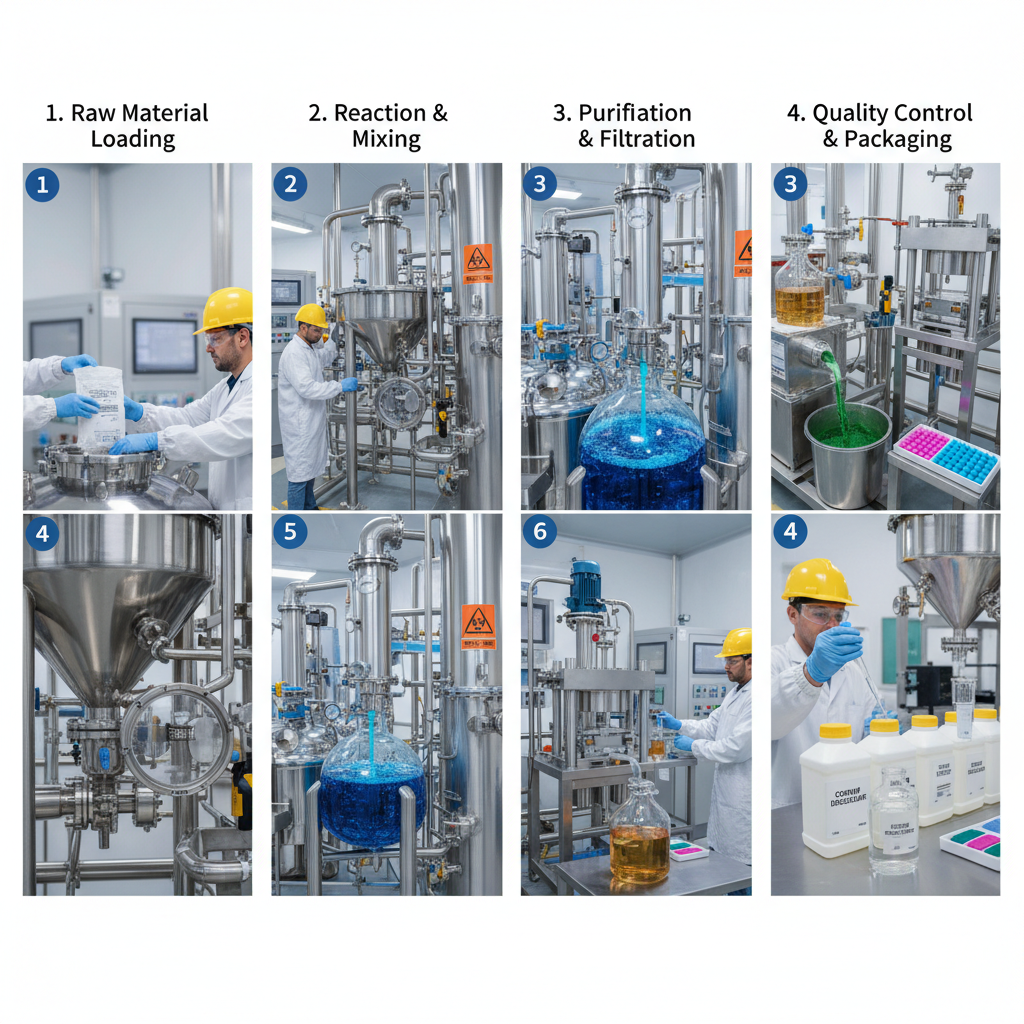
A cement dissolver chemical is a formulated solution designed to break down the complex chemical bonds within hardened cement. These chemicals typically contain acids, chelating agents, and surfactants. The acid component reacts with the calcium carbonate in cement, dissolving it. Chelating agents enhance the dissolving process by binding to metal ions that contribute to cement hardness. Surfactants reduce surface tension, allowing the chemical to penetrate and lift away the dissolved cement. They are available in liquid, gel, or powder form, offering versatility for various application scenarios. Selecting the right chemical is crucial for achieving optimal results without damaging the underlying surface.
Key Benefits: Effective removal of hardened cement, minimizes physical scrubbing, protects equipment from damage, reduces downtime, and extends the lifespan of tools.
Common Applications of Cement Dissolver Chemical
The applications for cement dissolver chemicals are diverse. They are widely used in construction for cleaning cement mixers, pumps, and chutes. Concrete finishers utilize them to remove excess concrete from tools and surfaces. The mining industry employs these chemicals to clear cement buildup in processing equipment. Additionally, they are valuable for cleaning tile and grout, removing mortar from brickwork, and restoring concrete surfaces. The versatility makes them a staple for many professionals.
Typical Application Areas:
• Cement Mixers & Chutes
• Concrete Pumps
• Tile and Grout Cleaning
• Brickwork Restoration
Choosing the Right Cement Dissolver Chemical
Selecting the appropriate cement dissolver chemical depends on the specific application and the type of surface being cleaned. Consider the strength of the cement bond, the material of the surface (steel, plastic, tile, etc.), and the environmental regulations in your area. Stronger formulations are suitable for heavily hardened cement, while milder solutions are ideal for delicate surfaces. Always read the product label and follow the manufacturer’s instructions carefully. Look for chemicals that are specifically formulated for your intended use and consider the safety data sheet (SDS) to understand potential hazards.
Safety Considerations When Using Cement Dissolver Chemical
Cement dissolver chemicals are powerful and require careful handling. Always wear appropriate personal protective equipment (PPE), including gloves, eye protection, and a respirator, especially in poorly ventilated areas. Avoid contact with skin and eyes. Ensure adequate ventilation during application. Never mix different chemicals together, as this can create hazardous reactions. Store chemicals in a cool, dry place, away from direct sunlight and incompatible materials. Refer to the Safety Data Sheet (SDS) for detailed safety information. Proper disposal of used chemical and containers is essential to minimize environmental impact.

Youngcel’s Cement Dissolver Solutions
At Youngcel, we offer a comprehensive range of high-quality cement dissolver chemicals designed for various applications. Our products are formulated to deliver exceptional cleaning power while prioritizing safety and environmental responsibility. We provide technical support to help you select the right solution for your specific needs. Our team is dedicated to providing innovative and effective chemical solutions to meet the demands of the construction and related industries.
Conclusion: Efficient Cement Removal with Youngcel
Investing in a high-quality cement dissolver chemical from Youngcel is a smart decision for businesses seeking to streamline operations, reduce maintenance costs, and ensure workplace safety. Our commitment to innovation and customer satisfaction makes us a trusted partner for all your chemical cleaning needs.
Frequently Asked Questions (FAQs)
How long does it take for a cement dissolver chemical to work?
The time it takes for a cement dissolver to work varies depending on the strength of the cement bond, the concentration of the chemical, and the temperature. Typically, you can expect to see results within 15-60 minutes. For heavily hardened cement, longer contact times and multiple applications may be necessary. Always follow the manufacturer’s instructions for optimal results. It's important to allow sufficient dwell time for the chemical to penetrate and dissolve the cement.
Can I use cement dissolver chemicals on all surfaces?
No, not all surfaces are compatible with cement dissolver chemicals. Some chemicals can damage certain materials like aluminum, rubber, or painted surfaces. Always test the chemical on a small, inconspicuous area first to ensure compatibility. Refer to the product label and SDS for a list of incompatible materials. Using the wrong chemical on a sensitive surface can cause irreversible damage.
Are cement dissolver chemicals environmentally friendly?
The environmental impact of cement dissolver chemicals varies depending on their formulation. Some chemicals contain harsh acids and solvents that can be harmful to the environment. Youngcel offers eco-friendly alternatives that utilize biodegradable ingredients and reduce harmful emissions. Always choose products that comply with environmental regulations and follow proper disposal procedures.
-
Industrial Guide to High Performance Ceramic Adhesives UseNewsApr.16,2026
-
Ultimate Guide to Choosing the Right Cement Wall PaintNewsApr.09,2026
-
Comprehensive Guide to Cement Thickeners for Construction and Oil DrillingNewsApr.07,2026
-
Optimizing Construction with Advanced Cement Mortar Additive SolutionsNewsApr.04,2026
-
Understanding Cement Glue for Construction and DIY ProjectsNewsMar.31,2026
-
Effective Cement Dissolver Chemical Solutions for Construction and IndustryNewsMar.28,2026