

China cellulose ether refers to a group of high-performance water-soluble polymers derived from natural cellulose, widely utilized as thickening, stabilizing, and water-retaining agents. These compounds, including HPMC and MHEC, are essential in transforming the rheology of aqueous solutions, making them indispensable in sectors ranging from construction to personal care.
For manufacturers and procurement teams, selecting the right grade of cellulose ether is critical to ensuring product stability and performance. Challenges such as poor foam stability in shaving creams or inadequate adhesion in construction mortars often stem from the incorrect choice of viscosity or grade, highlighting the need for precise technical specifications.
This technical guide provides an in-depth analysis of china cellulose ether, exploring its chemical properties, diverse industrial applications, and key selection criteria. By the end of this article, readers will understand how to optimize their formulations and select a supplier that meets strict industrial standards.

1Understanding the Fundamentals of Cellulose Ether

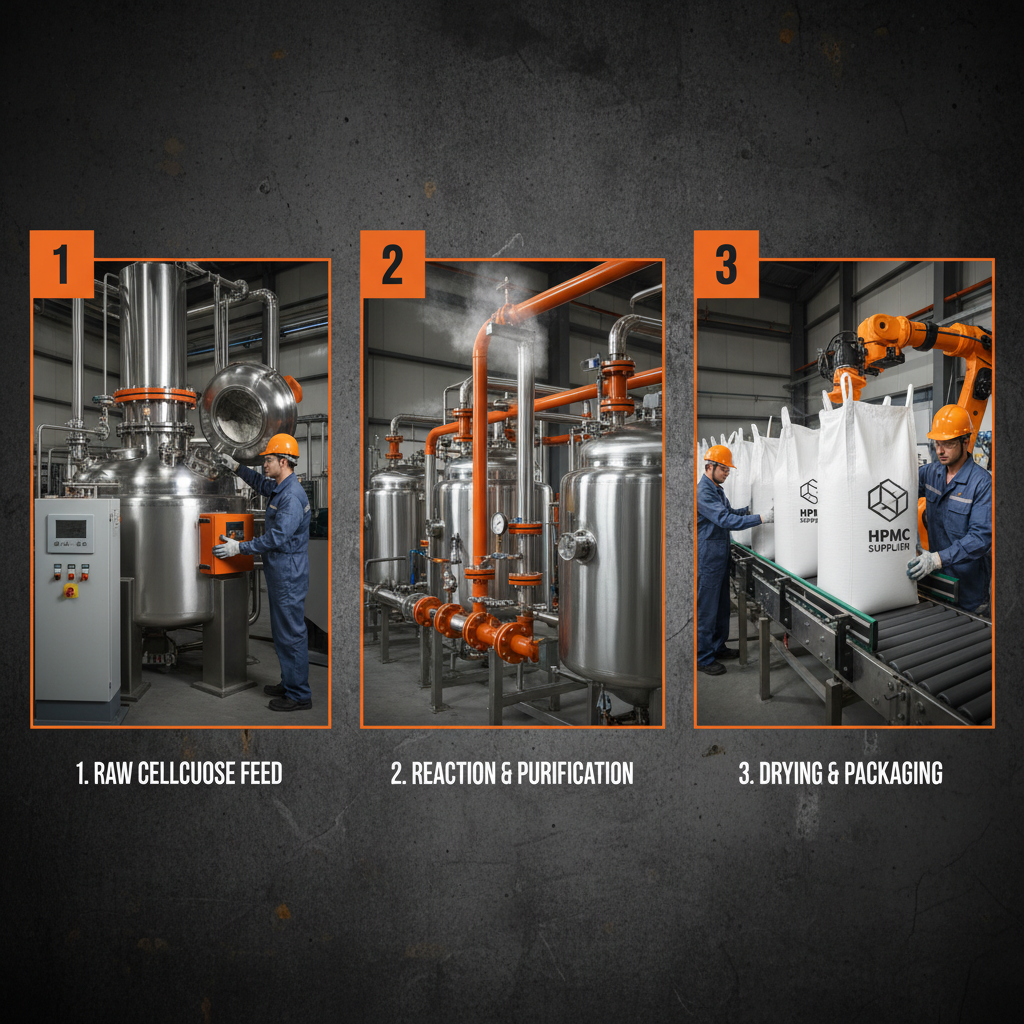
China cellulose ether is produced through the chemical modification of cellulose, typically sourced from refined cotton or wood pulp. By introducing ether groups into the cellulose backbone, the resulting polymer gains excellent solubility in water and organic solvents, allowing it to function as a powerful rheology modifier.
In the context of specialty chemicals, these ethers are categorized by their specific modifications, such as Hydroxypropyl Methylcellulose (HPMC). These materials are prized for their ability to create clear, stable solutions without altering the chemical nature of the primary active ingredients in a formula.
The manufacturing process requires strict control over pH and temperature to ensure consistent molecular weight distribution, which directly impacts the viscosity and gelling performance in the end-user's application.
2Core Technical Properties and Chemical Value
The primary value of china cellulose ether lies in its multifunctional capabilities. It acts simultaneously as a thickener, a binder, and a stabilizer. In aqueous systems, these polymers form a three-dimensional network that increases the viscosity of the liquid, preventing the sedimentation of solid particles.
Furthermore, its water-retention capability is vital in construction. By slowing down the evaporation of water from cement-based mortars, it ensures that the hydration process is complete, thereby reducing shrinkage cracks and increasing the mechanical strength of the structure.
Beyond thickening, these ethers improve the "slip" or workability of coatings and adhesives, ensuring a smooth application surface and reducing the effort required for manual spreading during construction or painting.
3Diversified Industrial Application Scenarios
The application of china cellulose ether spans multiple high-demand industries. In personal care, Youngcel provides solutions that enhance the stability of shaving foams and the stickiness of adhesive creams, ensuring a premium user experience through optimized foam density.
In decorative cosmetics, these polymers serve as binders in powder make-ups and facilitate the uniform distribution of hair coloring agents. This prevents clumping and ensures that the product adheres evenly to the skin or hair shaft.
In the building sector, the use of Construction Grade HPMC in tile adhesives and putty powders is standard. It prevents the "sagging" of tiles on vertical walls by maintaining the necessary viscosity and water balance within the mortar bed.
4Performance Evaluation and Viscosity Impact
Evaluating the performance of china cellulose ether requires a look at the relationship between viscosity and application efficacy. For instance, an Industrial Grade HPMC with a viscosity of 200,000 mPa.s is ideal for heavy-duty industrial paints where high thickness is required to prevent dripping.
The efficiency of these polymers is often measured by their ability to maintain a stable pH (typically between 5-7) and their solubility profiles. A well-optimized ether provides a seamless transition from a powder state to a clear, homogeneous gel without the formation of "fish-eyes" or lumps.
china cellulose ether Performance Metrics
When comparing standard industry additives to high-grade cellulose ethers, the latter demonstrates superior consistency and stability, particularly under varying temperature conditions, which is essential for products shipped globally.
5Procurement Standards and Quality Control
Procuring china cellulose ether requires a strict adherence to technical specifications. Buyers must verify the purity, the appearance (typically a white or off-white powder), and the specific grade (Industrial vs. Pharmaceutical or Food Grade) to ensure compatibility with their existing formulations.
Packaging is another critical consideration. Standard 25kg bags are common, but moisture-proof sealing is mandatory because cellulose ethers are hygroscopic and can degrade if exposed to humidity during storage.
Quality control processes should include testing the gelling time and the transparency of the solution, as these factors directly influence the aesthetic and functional quality of cosmetics and coatings.
6Future Trends in Sustainable Cellulose Chemistry
The industry is moving toward more sustainable production methods. The focus is shifting toward bio-based modifications that reduce the reliance on harsh chemical solvents during the etherification process, aligning with global green chemistry goals.
Innovation is also occurring in the development of "smart" cellulose ethers that respond to external stimuli, such as temperature or pH changes, allowing for controlled release of active ingredients in medical or cosmetic applications.
As digital manufacturing grows, the ability to customize the molecular weight of china cellulose ether for specific niche applications—such as 3D printing inks—is becoming a key competitive advantage for leading manufacturers.
7Grade Selection: Comparison and Decision Guide
Selecting the correct grade involves a trade-off between viscosity and workability. While higher viscosity provides better stability, it can make the product harder to pump or spread. The following table outlines the common selection paths for different industry needs.
Decision-makers should align their choice with the final product's expected environment, considering factors like the operating temperature and the presence of other electrolytes in the formula.
| Application | Recommended Grade | Key Strength | Primary Constraint |
|---|---|---|---|
| Tile Adhesive | Construction Grade HPMC | Water Retention | Mixing Time |
| Skin Care Gel | High Purity HPMC | Optical Clarity | Cost per kg |
| Industrial Paint | Industrial Grade HPMC | Sag Resistance | High Viscosity |
| Shaving Foam | Specialty HPMC | Foam Stability | Temperature Sensitivity |
| Putty Powder | Building Grade HPMC | Binding Strength | Hydration Rate |
| Hand Sanitizer | Detergent Grade HPMC | Consistency | Alcohol Compatibility |
By analyzing these dimensions, procurement teams can ensure that the chosen china cellulose ether optimizes both the production cost and the final product performance.
Frequently Asked Questions
Conclusion
China cellulose ether is a versatile and essential component for modern industrial chemistry, providing the critical balance of viscosity, stability, and water retention. Whether enhancing the sensory feel of a premium cosmetic or ensuring the structural integrity of a skyscraper's facade, the correct selection of grade and purity is the key to success.
For procurement teams and formulators seeking reliable, high-performance cellulose solutions, reviewing detailed technical specifications is the first step toward optimization. More information on available product grades and customized solutions can be found at www.youngcel.com.