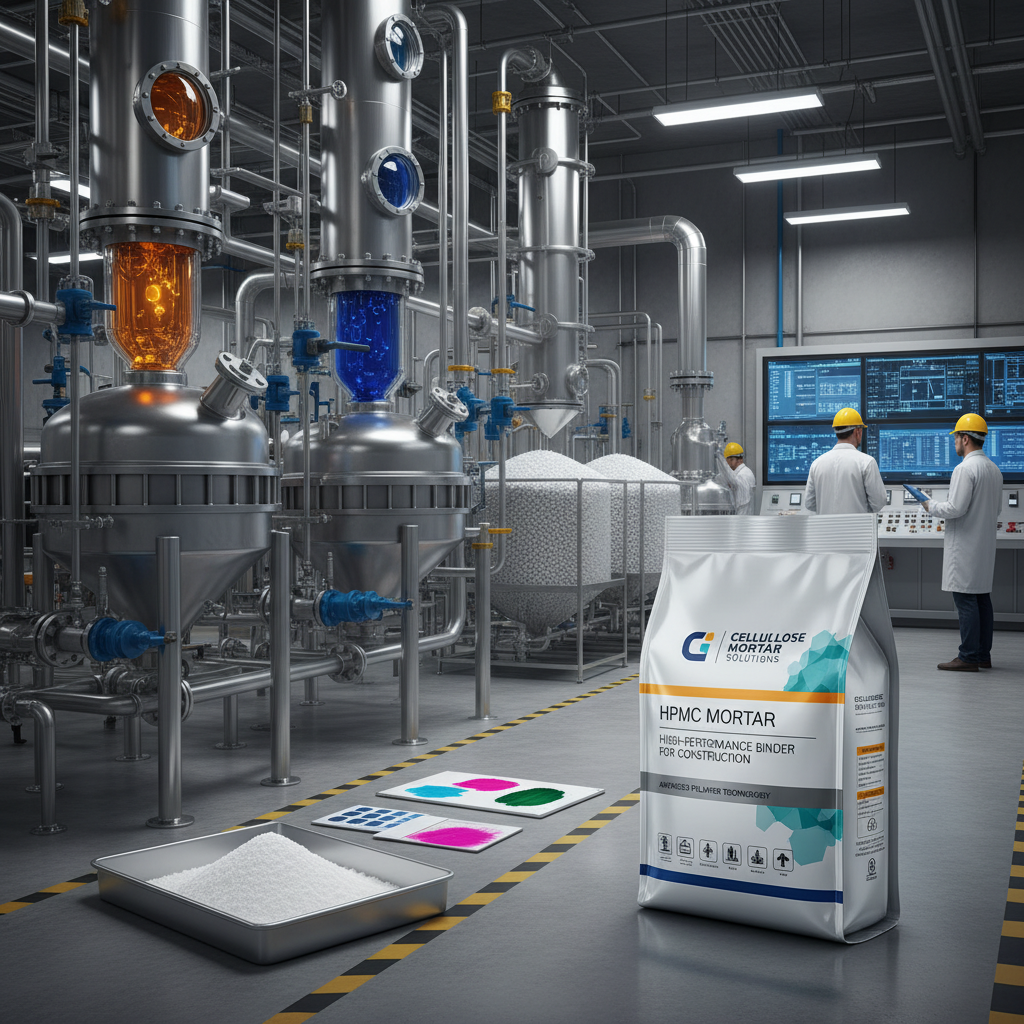


Selecting the right partner among global cellulose manufacturers is often the deciding factor in the structural integrity and workability of modern construction materials. For procurement managers in the fine chemicals sector, the challenge lies not just in finding a supplier, but in identifying one whose chemical modifications align with specific environmental and mechanical requirements.
The shift toward high-performance mortar and sustainable coatings has increased the demand for specialized cellulose ethers. Whether it is ensuring the water retention of a gypsum-based plaster or the stability of a detergent grade formulation, the purity and consistency of the polymer chain are paramount.
This analysis explores the technical benchmarks and procurement logic necessary to evaluate cellulose producers, focusing on how precise chemical engineering translates into tangible on-site performance for construction and industrial applications.

Understanding the Role of Specialty Cellulose in Modern Industry

Cellulose ethers serve as the invisible backbone of thousands of industrial formulations. In the realm of fine chemicals, these polymers are not merely additives but functional agents that control rheology, water retention, and adhesion. The ability of a manufacturer to precisely control the degree of substitution determines whether a product will succeed in a high-stress environment, such as a tile adhesive applied in extreme humidity.
For those sourcing from professional cellulose manufacturers, the distinction between HPMC (Hydroxypropyl Methylcellulose) and MHEC (Hydroxyethyl Methylcellulose) is critical. While both provide thickening, MHEC is often preferred in gypsum-based products due to its superior thermal stability and controlled retarder properties, which prevent premature setting of the mortar.
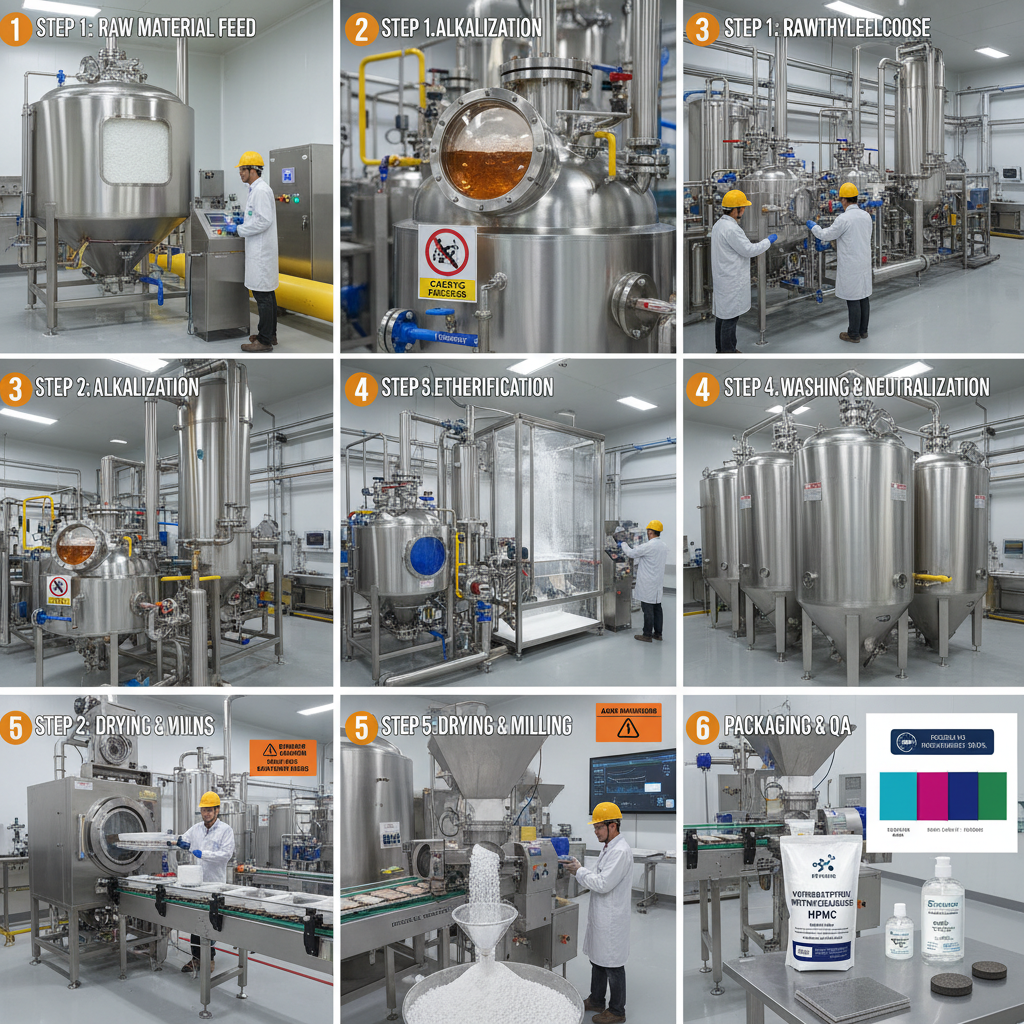
The complexity of the manufacturing process—involving the alkalization of cellulose and subsequent etherification—means that consistency between batches is the primary indicator of a supplier's technical maturity. A variance of even a small percentage in viscosity can lead to catastrophic failures in pump-ability on a construction site.
Critical Technical Parameters for Evaluating Cellulose Ethers
When auditing the technical data sheets of various producers, three primary metrics should dictate the evaluation: Viscosity, Water Retention Capacity, and Gel Temperature. Viscosity defines the flow behavior, while water retention ensures that the hydration of cement or gypsum occurs uniformly, preventing the formation of cracks during the drying phase.
Moreover, the "Open Time" provided by the cellulose ether is a vital economic factor. By extending the window during which a material can be manipulated, manufacturers reduce labor waste and improve the aesthetic finish of the final project, particularly in putty powder and plaster applications.
Specialized grades, such as those used in hand sanitizers or shampoo, require a different focus—prioritizing clarity, skin feel, and compatibility with surfactants over the raw structural strength required for building-grade materials.
Industrial Application Scenarios and Performance Needs
The application of cellulose ethers is diverse, stretching from the heavy-duty requirements of the construction site to the delicate chemistry of personal care. In tile adhesives, the primary requirement is "slip resistance," ensuring that tiles stay in place during installation. This is achieved through a precise balance of HPMC and RDP-VAE (Redispersible Polymer Powder), creating a synergistic effect that enhances both bond strength and flexibility.
In the production of gypsum-based products, MHEC acts as both a water-retaining agent and a retarder. Its role is to prohibit too fast a dry-out, which is essential for slurry spraying techniques. Without this controlled hydration, the material would shrink rapidly, leading to structural voids and reduced compressive strength after hardening.
Beyond construction, detergent-grade cellulose is engineered to maintain the suspension of active ingredients in liquid soaps and shampoos. Here, the focus shifts to solubility and the ability to create a stable, viscous liquid that remains transparent and aesthetically pleasing to the consumer.
Comparative Performance Metrics in Construction Grade Polymers
Quantitative analysis reveals a significant performance gap between generic cellulose ethers and those engineered for specific industrial grades. The following data reflects the relative efficiency of high-grade polymers in improving key mortar properties compared to industry averages.
The effectiveness of a cellulose ether is most visible in the "Water Retention Rate" and "Workability Index." High-performance grades typically exhibit a more linear response to water addition, allowing formulators to optimize the water-cement ratio without sacrificing the flow properties of the mix.
Cellulose Performance Metrics
As shown in the metrics, the integration of specialized MHEC or HPMC grades significantly boosts pump-ability and extends the operation time. This directly correlates to a reduction in material waste and an increase in the overall strength of the hardened mortar, as the water is held within the matrix longer, facilitating full cement hydration.
Strategic Procurement and Supplier Quality Verification
Procuring from cellulose manufacturers requires a shift from a "price-per-kg" mindset to a "cost-per-performance" analysis. A cheaper additive that requires a 20% higher dosage to achieve the same water retention is effectively more expensive and may negatively impact the final product's mechanical properties.
Buyers should request comprehensive COAs (Certificates of Analysis) that include not just viscosity, but also ash content, moisture levels, and pH values. Verification through small-scale trial batches is essential to ensure that the polymer interacts correctly with the local sand and cement minerals used in the final application.
Furthermore, evaluating a supplier's ability to provide technical support—such as guiding the optimal dosage for a specific putty powder formulation—separates a mere commodity vendor from a strategic partner.
Future Trends in Cellulose Modification and Bio-Sustainability
The industry is currently moving toward "intelligent modification," where cellulose ethers are engineered to react to specific environmental triggers. We are likely to see an increase in polymers that can adjust their viscosity based on the ambient temperature of the construction site, effectively neutralizing the impact of seasonal weather changes on mortar setting times.
Sustainability is also driving innovation. There is a growing emphasis on reducing the carbon footprint of the etherification process. Manufacturers are exploring more efficient solvent recovery systems and bio-based precursors to minimize the environmental impact of fine chemical production.
Additionally, the integration of cellulose ethers with nanotechnology—such as the addition of nano-silica—could lead to a new generation of "super-mortars" with unprecedented strength and water-repellency, further extending the lifecycle of urban infrastructure.
Decision Matrix for Selecting Cellulose Ether Product Grades
Choosing the correct grade depends on the primary failure point of the application. For instance, if the main problem is cracking in hot climates, water retention is the priority. If the problem is difficulty in application, the focus must be on rheology and workability.
The following matrix provides a guide for selecting the appropriate cellulose derivative based on the intended end-use and the critical performance requirement.
| Application Type | Recommended Grade | Primary Function | Critical Metric |
|---|---|---|---|
| Tile Adhesive | Construction Grade HPMC | Anti-slip & Adhesion | Viscosity Stability |
| Gypsum Plaster | MHEC (High Purity) | Water Retention | Gel Temperature |
| Wall Putty Powder | Putty Grade HPMC | Workability/Smoothness | Open Time |
| Exterior Coating | Coating Grade HPMC | Sag Resistance | Thickening Power |
| Liquid Detergent | Detergent Grade HPMC | Suspension Stability | Clarity/Solubility |
| Hand Sanitizer | Cosmetic Grade HPMC | Texture/Viscosity | Skin Compatibility |
For detailed specifications and a full catalog of specialized grades, professionals can review the technical resources available through www.youngcel.com to align their procurement with project requirements.
Frequently Asked Questions
Conclusion
The strategic selection of cellulose ethers is not merely a purchasing decision but a technical necessity that dictates the quality and longevity of industrial products. By focusing on precision parameters like water retention and thermal stability rather than just cost, companies can significantly reduce operational risks and improve end-user satisfaction.
As the industry evolves toward more sustainable and "intelligent" materials, the role of high-performance polymers will only increase. Those who partner with technically proficient cellulose manufacturers will be best positioned to innovate and maintain a competitive edge in the global market. For further exploration of high-grade cellulose solutions, visit www.youngcel.com.