To be honest, this year’s been a whirlwind. Everyone’s talking about prefabrication, modular stuff, you know? It's not new, we've been seeing bits and pieces for years, but now it's really taking off. Less waste, faster builds… sounds great on paper. But have you noticed, a lot of folks forget about the practical side? They design something beautiful in CAD, then send it to the site and it’s just… a headache. I encountered this at a factory in Jiangsu last time, a whole shipment of panels designed with no consideration for how the installers were actually going to lift and maneuver them. Took three days just to figure out a workaround.
And it all comes down to materials, doesn’t it? We use a lot of HPMC – Hydroxypropyl Methylcellulose – in our mixes. It’s the workhorse for water retention, thickening, you name it. Feels like… well, it's a fine powder, smells faintly of nothing really. A bit dusty, gotta wear a mask, you know? But it’s essential. Makes the mortar workable, stops it cracking too fast in the sun. Without it, things just fall apart. Literally.
The biggest thing I see with these new mixes is people skimping on the HPMC content. They think they can save a few bucks, but you end up with a crumbly mess. It’s not something you can easily test in a lab, either. You need to see how it performs on site, in real conditions. We do slump tests, of course, and water retention tests. But the real test is watching a guy try to trowel it on a hot afternoon. If he’s fighting it, something’s wrong.
Industry Trends and Practical Pitfalls
Strangely enough, everyone's obsessed with BIM now – Building Information Modeling. It’s brilliant, don’t get me wrong, but it doesn't tell you if a guy can actually carry that pre-assembled wall unit. A lot of these designs look good on the screen but completely ignore ergonomics. I swear, I’ve seen contractors spend hours modifying designs just to make them physically possible to install. And it’s always the little things that get you, right? Like, designing a waterproof membrane around a pipe that you can’t actually get a wrench around to tighten.
Anyway, I think the biggest shift is toward sustainability. Everyone wants "green" materials, and that's good, but they also need to be reliable. You can have the most eco-friendly mortar in the world, but if it washes away in the first rain, what’s the point? That's where a properly formulated HPMC chemical blend really shines. It helps bind everything together, reducing waste and increasing durability.
The Role of HPMC Chemical in Modern Construction
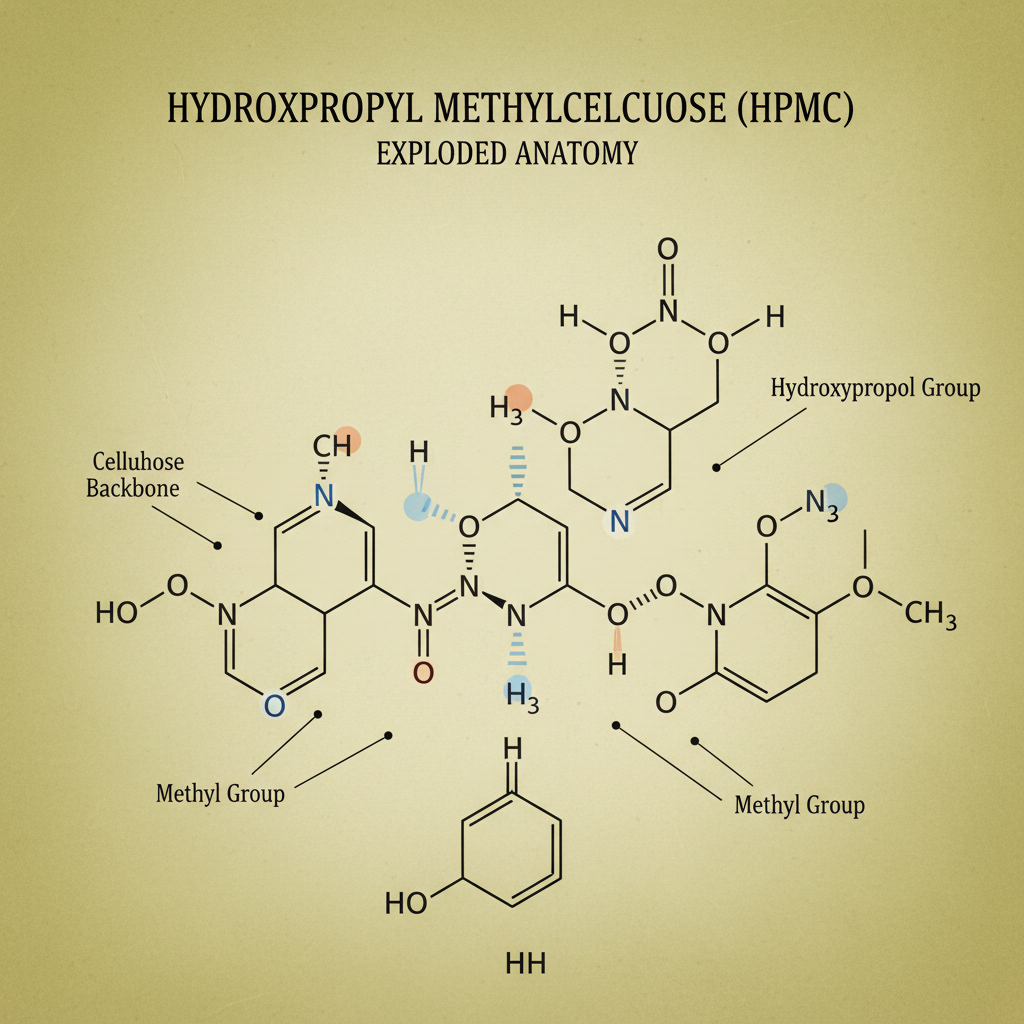
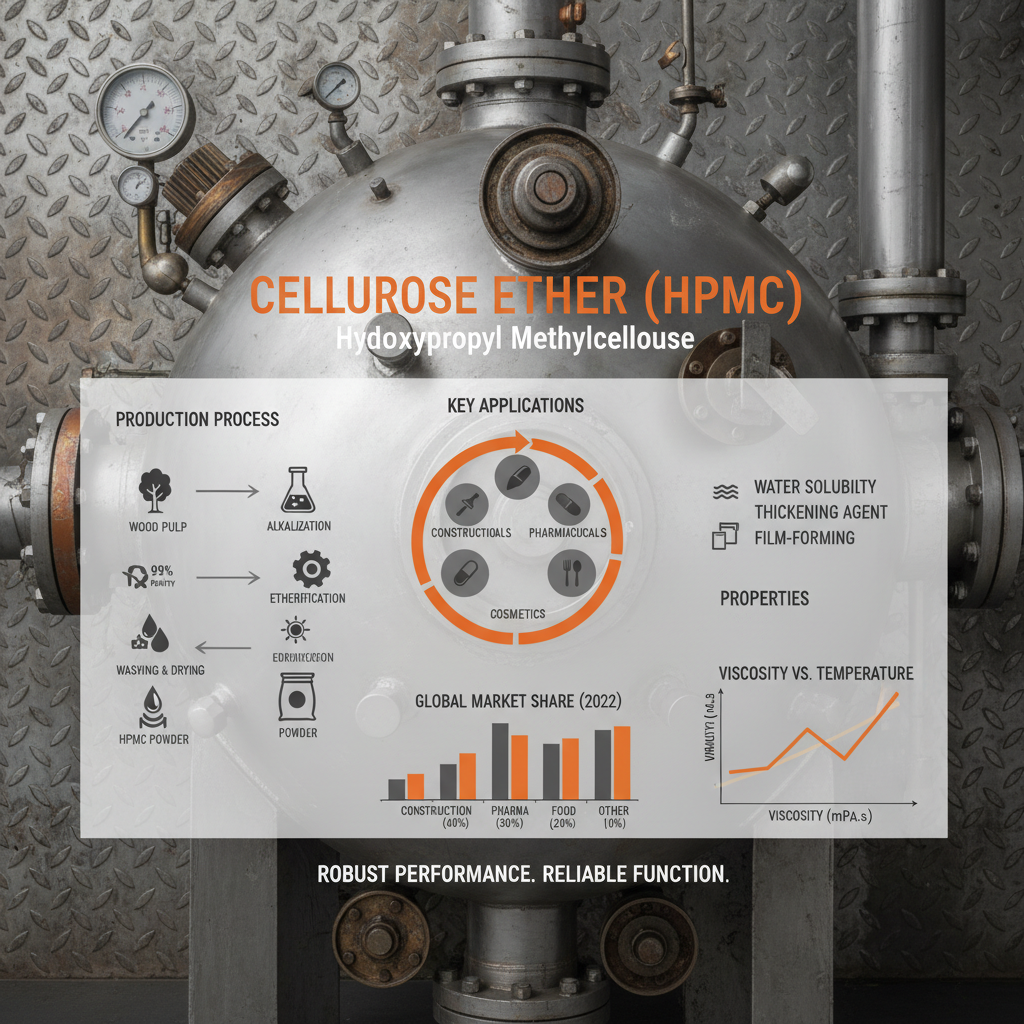
The HPMC chemical is, at its core, a cellulose ether. Sounds fancy, but it’s basically made from wood pulp. It's what gives things that nice, smooth consistency. It controls the water content, preventing the mix from drying too quickly, which means less cracking. And less rework, which means fewer headaches for everyone involved. It's a crucial component in tile adhesives, renders, self-leveling compounds – you name it. I wouldn't start a project without it.
You wouldn’t believe how many different grades there are, though. Different viscosity levels, different particle sizes… it’s a rabbit hole. You’ve got the thermally modified ones for higher temperature stability, the ones with improved water retention for hot climates… it's a whole science. It’s not just about throwing in a bag of powder and hoping for the best.
It connects to modern industry because everything’s about efficiency and quality control. We’re building bigger, faster, and with tighter tolerances than ever before. And HPMC chemical is a key enabler of that. It allows us to create consistent, reliable mixes that perform predictably, even in challenging conditions.
HPMC Chemical Testing and Real-World Performance
We do the standard lab tests, of course: viscosity measurements, water retention tests, slump tests. But those only tell you so much. I’ve seen mixes pass all the lab tests and still be a disaster on site. The real test is how it feels, how it works, how easy it is to use. We do a lot of field trials, small-scale tests on actual construction sites, to see how the HPMC chemical performs under real-world conditions.
One thing I've noticed, and it's weird, is how sensitive HPMC chemical is to mixing time. If you don't mix it thoroughly enough, you get clumps, and those clumps will cause problems down the line. And the type of mixer matters too. Some mixers just don't disperse the powder properly. I’ve seen entire batches ruined because of a faulty mixer. You wouldn’t think something so simple could cause so much trouble, but it does.
We also look at long-term durability. We take samples and expose them to different environmental conditions – heat, cold, humidity, UV radiation – and see how they hold up over time. It’s a slow process, but it's essential. You don’t want a building falling apart after five years because you used a substandard HPMC chemical blend.
Practical Applications & User Behavior
You'd think people would follow the instructions on the bag, right? But they rarely do. They either use too much water, too little water, or they don't mix it properly. It’s always something. I saw a crew last month trying to use a self-leveling compound without priming the floor properly. It just sat there, a puddle of goo. Completely wasted.
And the applications are endless. Tile adhesives, renders, screeds, repair mortars… anything that needs to be mixed with water and hold its shape. We’ve even been experimenting with using HPMC chemical in 3D-printed concrete. Still early days, but it shows the potential. It's surprisingly versatile.
HPMC Chemical Performance Metrics
Advantages, Disadvantages, and Customization
The advantages are obvious: improved workability, better water retention, reduced cracking, increased durability. It makes life easier for the guys on site, and it leads to a better quality product. But it's not a silver bullet. It can be expensive, especially the higher grades. And if you use too much, it can actually weaken the mix.
Customization is key. We work with customers to develop custom HPMC chemical blends tailored to their specific needs. For example, last year, a client building a high-rise in Dubai needed a mix that could withstand extreme heat and humidity. We developed a blend with a higher molecular weight and a modified cellulose ether, which improved its performance significantly.
A Customer Story from Shenzhen
Last month, that small boss in Shenzhen who makes smart home devices insisted on changing the interface to . He was building these little enclosures for his sensors, and he wanted them to look sleek. He figured using a port would make them more “modern”. But he didn’t realize that requires a much more robust mounting structure than the old USB-A ports. So, the whole thing just kept breaking. I suggested he go back to USB-A, or at least reinforce the mounting points, but he wouldn’t listen. He lost a whole shipment because of it.
It reminded me of a project in Hong Kong where a client wanted to use a cheaper grade of HPMC chemical to save money. I warned him it wouldn't hold up, but he insisted. Six months later, the whole facade was cracking. Lesson learned, I guess.
It’s always the little details that get you. You can have the best design in the world, the best materials, but if you don’t pay attention to the details, it’s all going to fall apart.
Key Material Properties and Comparison
Understanding the key properties of HPMC chemical is critical for selecting the right grade for a given application. It’s not just about the viscosity, it’s about the molecular weight, the degree of substitution, the particle size distribution, and a whole host of other factors.
And it’s not just about comparing different grades of HPMC chemical. You also need to consider other additives, like redispersible polymer powders, silica fume, and air-entraining agents. These additives can all interact with the HPMC chemical and affect its performance.
Ultimately, whether this thing works or not, the worker will know the moment he tightens the screw.
HPMC Chemical Properties Comparison
| Property |
Grade A |
Grade B |
Application |
| Viscosity (mPa·s) |
40,000 |
60,000 |
Tile Adhesive |
| Water Retention (%) |
85 |
90 |
Self-Leveling Compound |
| Molecular Weight (kDa) |
100 |
200 |
Render |
| Gel Temperature (°C) |
60 |
75 |
Repair Mortar |
| Particle Size (µm) |
80 |
60 |
Exterior Plaster |
| Cost (USD/kg) |
2.5 |
4.0 |
Specialty Applications |
FAQS
It really depends on the cement type, the aggregate size, and the desired workability. Generally, 0.5% to 2% by weight of cement is a good starting point. But always do a small trial batch first. Too little and you won’t see any benefit; too much and you'll get a sticky, difficult-to-work-with mix. It's a balancing act. The humidity and temperature also impact this, particularly in hotter climates.
HPMC chemical actually reduces shrinkage by improving water retention and allowing for more complete hydration of the cement. This minimizes the formation of capillary pores, which are a major contributor to shrinkage cracking. However, it’s not a cure-all. Proper curing is still essential. The type of aggregate and the overall mix design play a huge role too. A well-designed mix with the right HPMC chemical grade will perform significantly better.
Absolutely. Sometimes, blending different cellulose ethers can achieve synergistic effects. For example, combining HPMC chemical with methyl cellulose (MC) can improve both water retention and workability. It’s a bit of an art and science, though. You need to understand how each ether interacts with the other and with the cement matrix. Compatibility is key. Always test the blend thoroughly before using it on a large scale.
Typically, HPMC chemical has a shelf life of around 3-5 years, provided it's stored properly. That means keeping it in a cool, dry place, away from direct sunlight and moisture. Once the packaging is opened, it's best to use it within 6-12 months, as it can absorb moisture from the air and lose its effectiveness. Pay attention to the manufacturing date on the bag.
HPMC chemical is derived from wood pulp, which is a renewable resource. It’s also biodegradable, although the process is relatively slow. Compared to some other synthetic polymers used in construction, it's a more sustainable option. However, the manufacturing process does consume energy and water, so it’s not entirely without environmental impact. Look for suppliers who prioritize sustainable sourcing and production practices.
It’s a fine powder, so avoid inhaling it. Wear a dust mask, especially when mixing large batches. It can also cause skin and eye irritation, so wear gloves and safety glasses. It's generally considered non-toxic, but it’s always best to err on the side of caution. Keep it out of reach of children. And, you know, common sense stuff. Proper ventilation is always a good idea.
Conclusion
So, there you have it. HPMC chemical isn't glamorous, but it's absolutely essential. It’s the unsung hero of modern construction, the thing that holds everything together, literally. Understanding its properties and how to use it correctly can make the difference between a successful project and a costly disaster. It's about more than just following the specs; it's about understanding the material and how it behaves in the real world.
Look, the industry’s changing fast, with all this new tech and prefabrication. But at the end of the day, construction is still a hands-on profession. And ultimately, whether this thing works or not, the worker will know the moment he tightens the screw.